
BarSwat
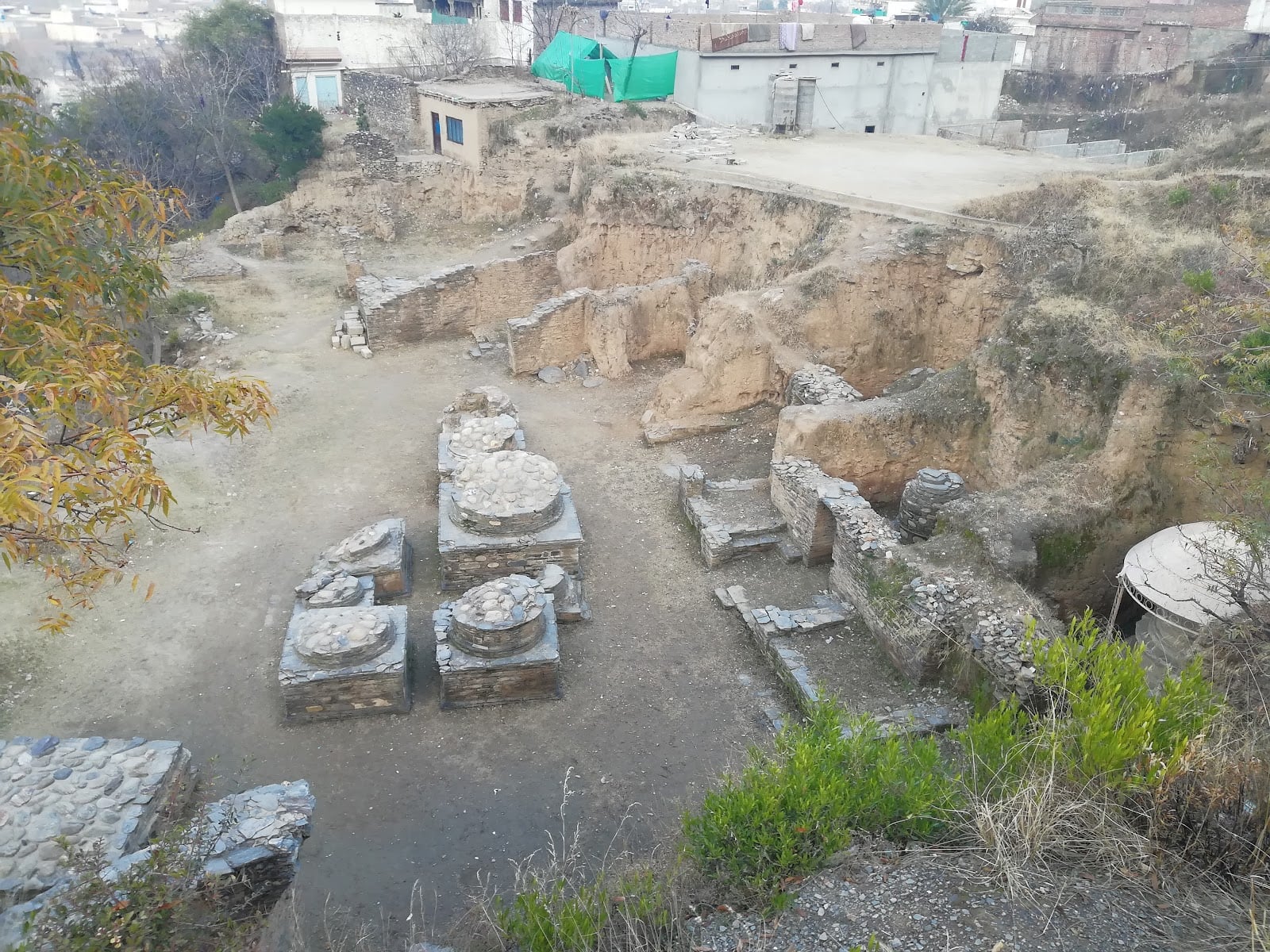
Swat is one of the richest archaeological regions in Pakistan. Italian, Pakistani and German teams have excavated sites spanning Aryan, Greek, Buddhist and Hindu Shahi periods. Here are the major ones.
Bazira is the ancient Greek-Buddhist fortified town that Alexander the Great captured in 327 BCE. The Italian Archaeological Mission (ISMEO) has been excavating here continuously since 1984.
Visitors can walk through the lower city ruins, see Indo-Greek house foundations, a 4th-century Buddhist sanctuary on the hilltop, and the famous 'Acropolis' that overlooks the modern town of Barikot.
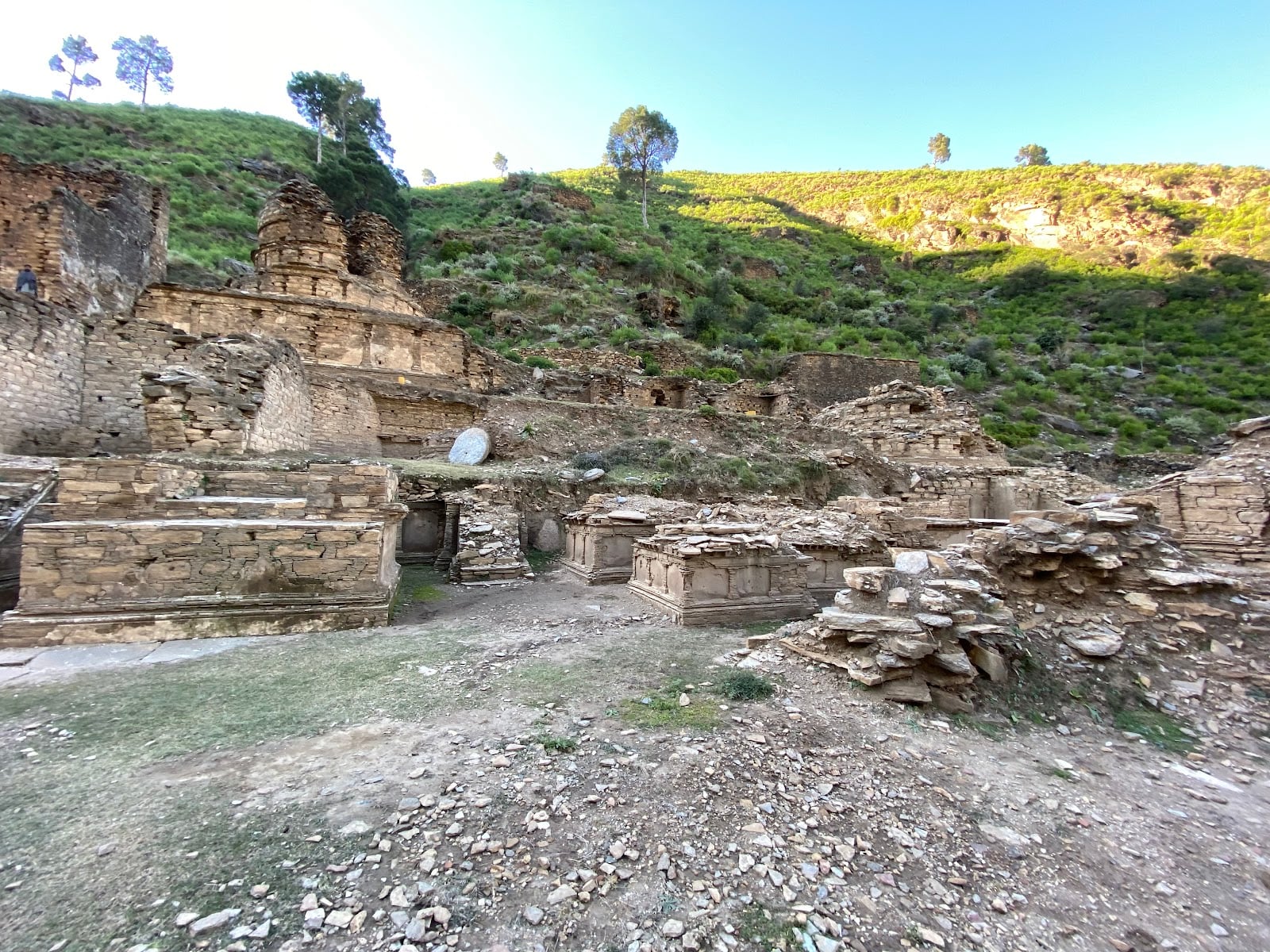
The single most important Buddhist excavation in Swat. The main stupa was first built by Emperor Ashoka in the 3rd century BCE and rebuilt five times over the next millennium.
215 votive stupas, hundreds of sculptures and dozens of reliquary boxes have been excavated here by Italian teams since the 1950s.
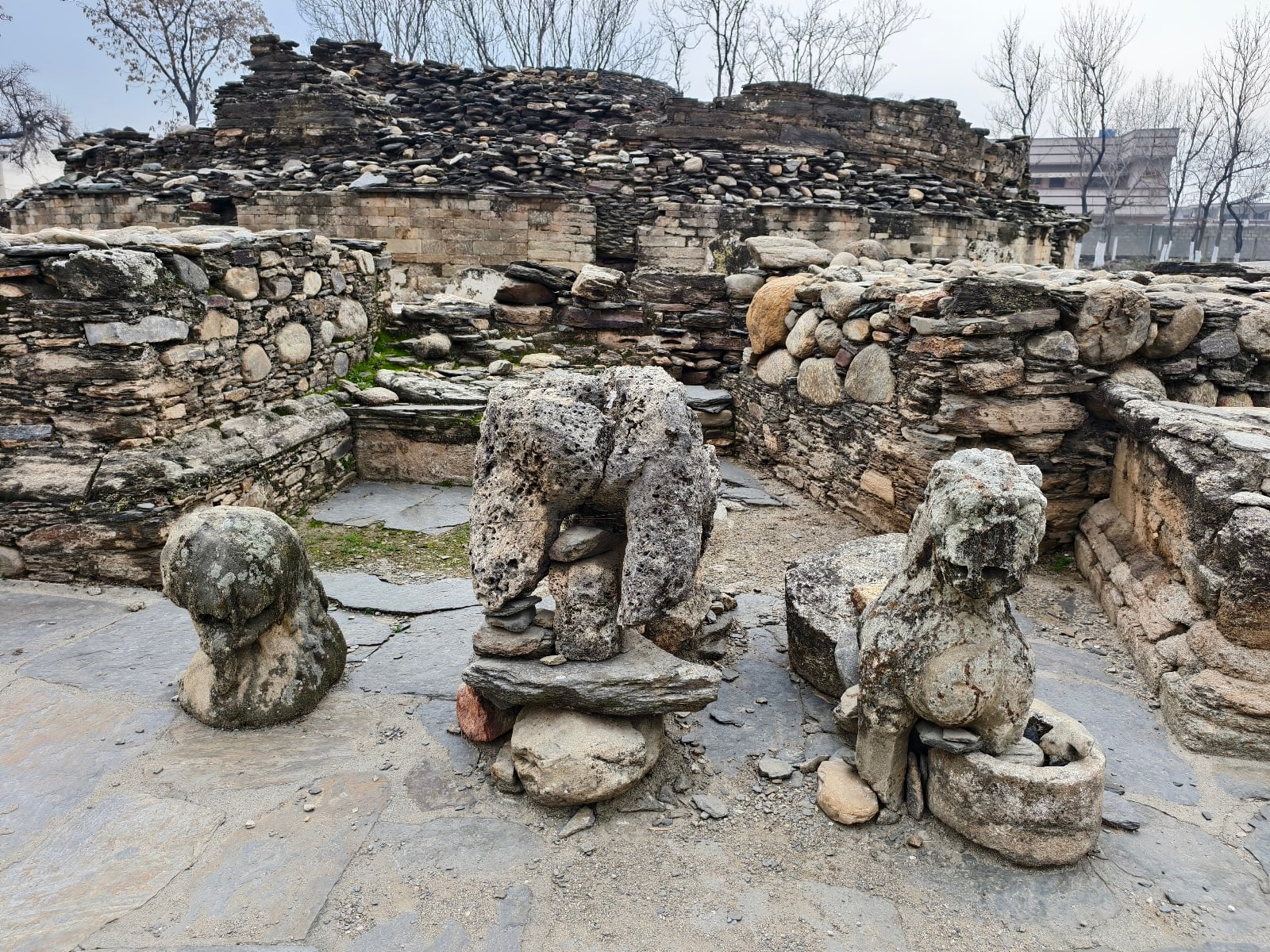
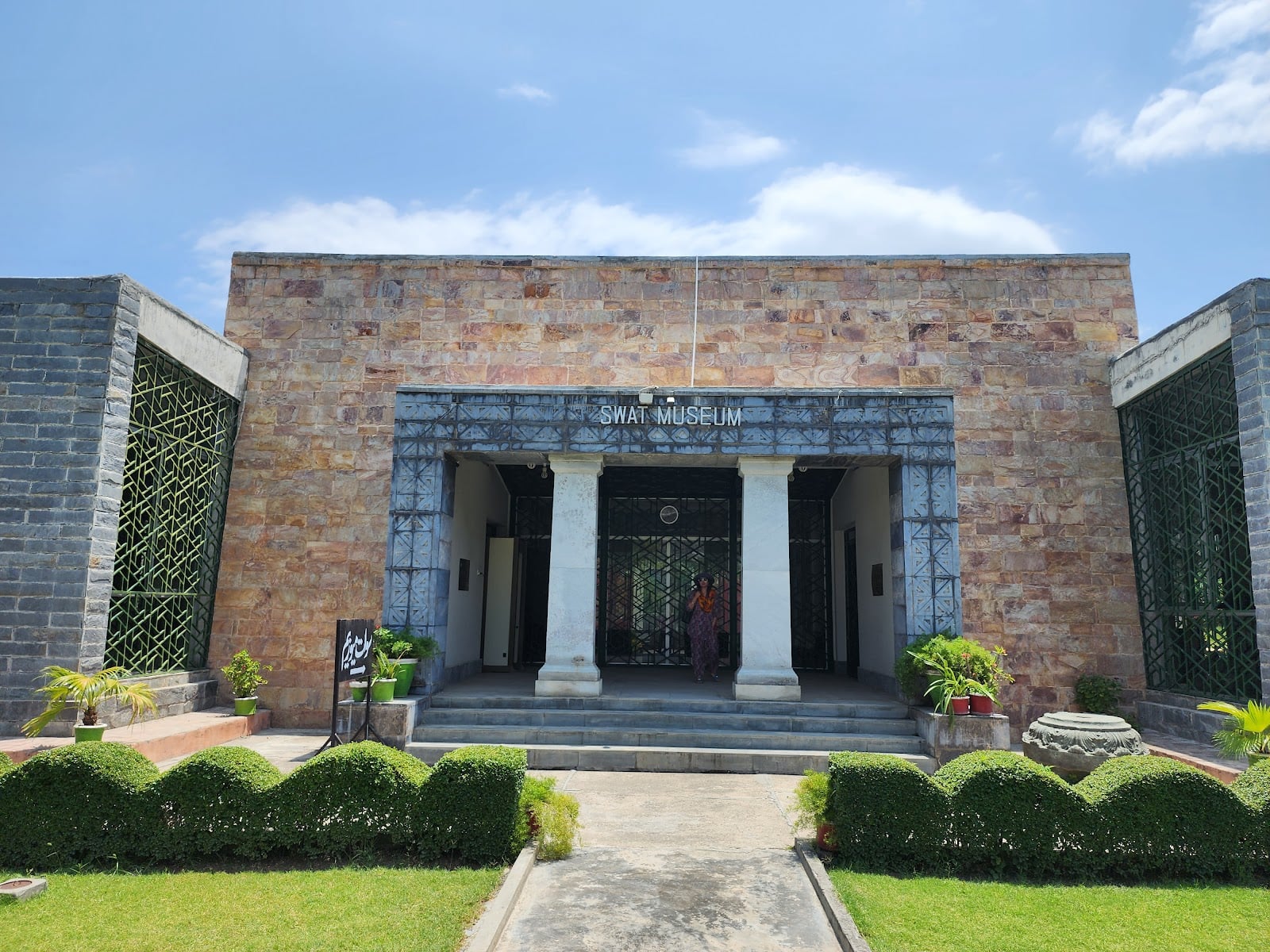
A large 2nd-century stupa with intact stairways and decorated drum, located right next to the Swat Museum. Easy to combine with a museum visit.

At 27 metres, this is the tallest standing Buddhist stupa in northern Pakistan. Visible from the main Mingora-Barikot road near Ghalegay village.
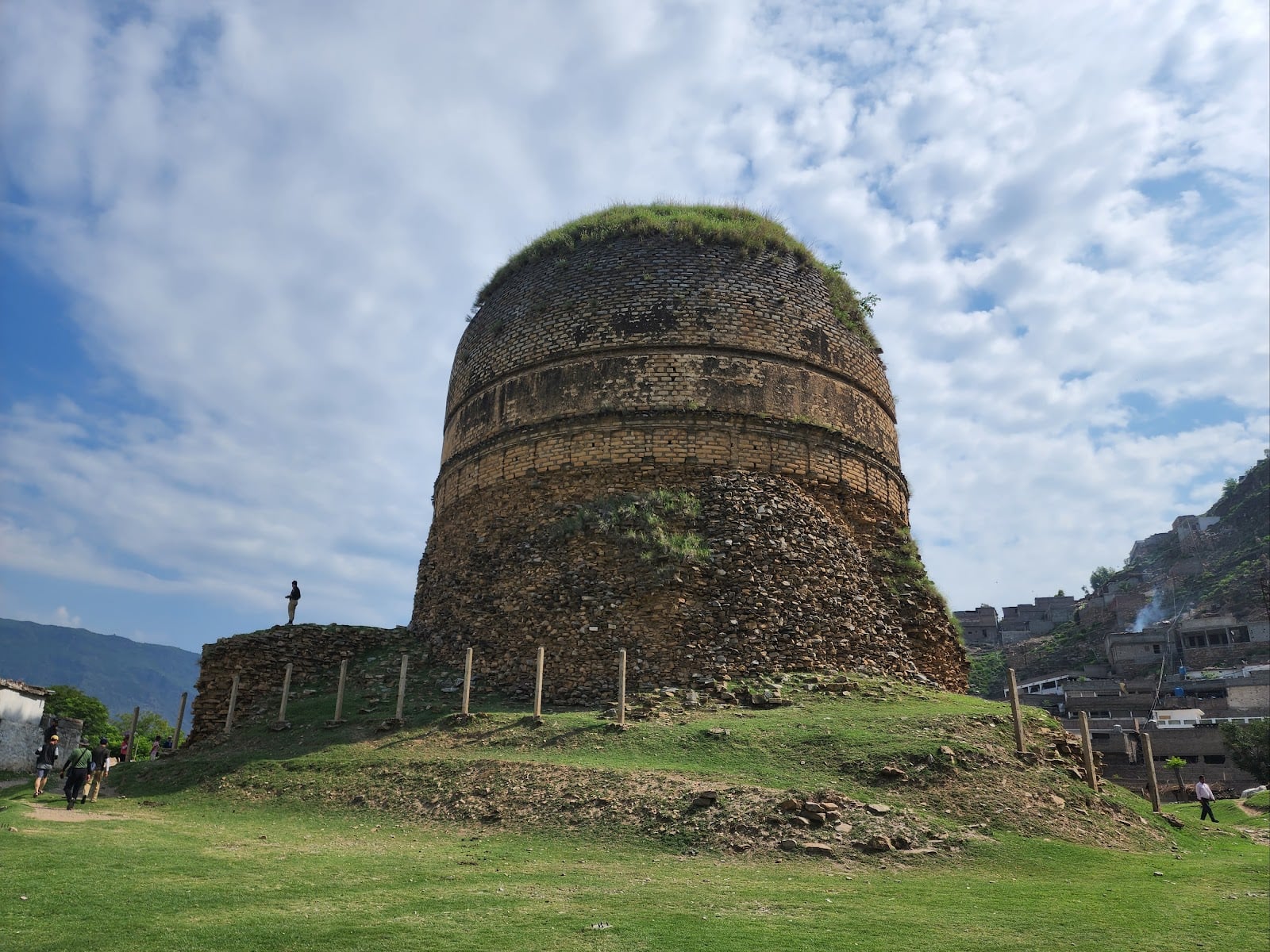
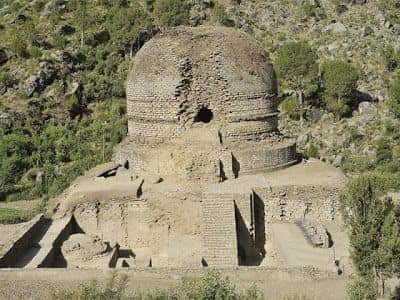
One of the best-preserved Buddhist monuments in Swat. The 3rd-century stupa was fully restored by Italian conservators between 2012 and 2015 and now stands as a flagship example of heritage conservation in Pakistan.
A 6-metre seated Buddha carved into a cliff above Jehanabad village near Manglawar. Damaged by extremists in 2007 and restored by Italian-Pakistani conservators in 2016.
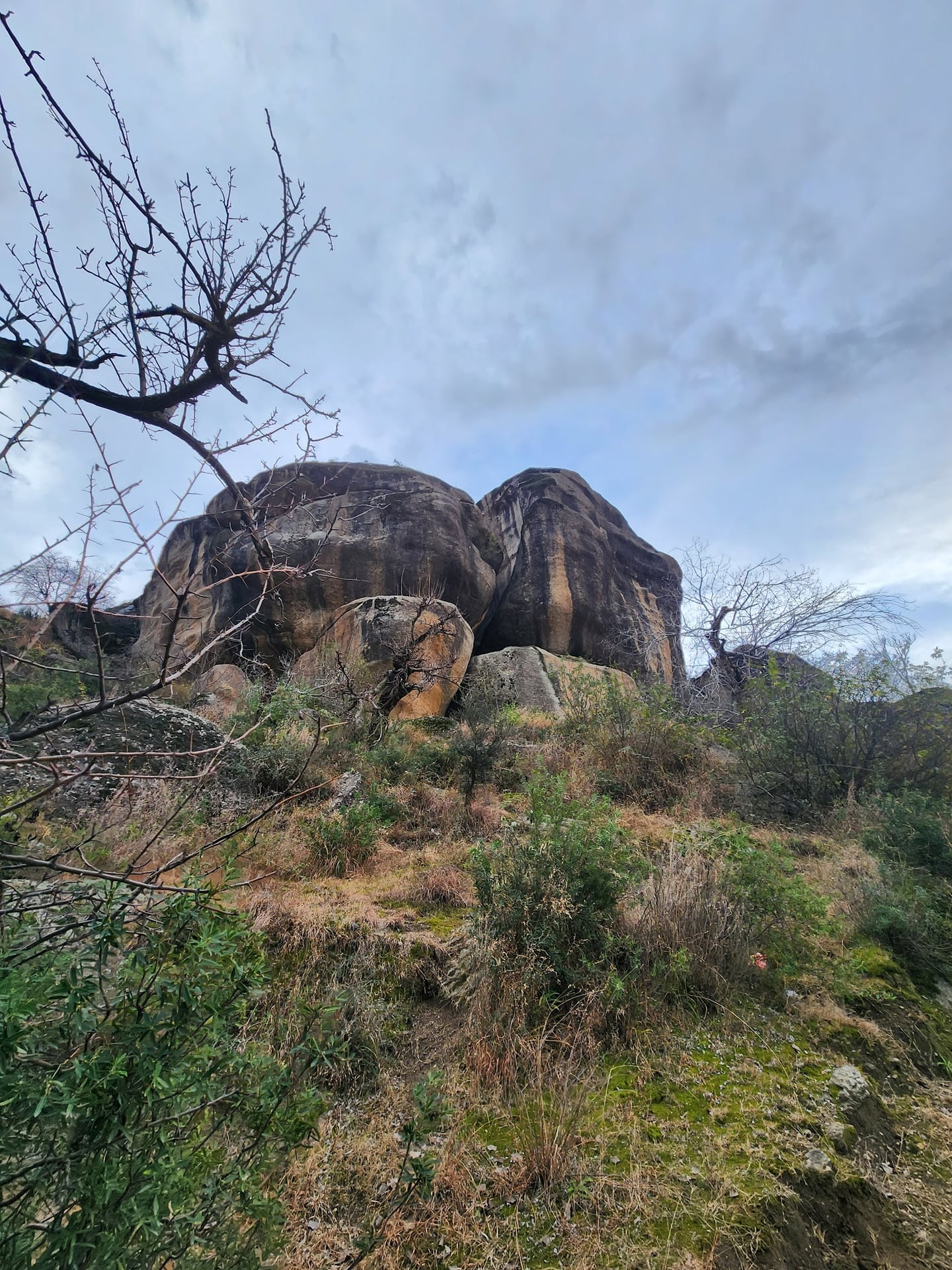
Marjanai (Kabal): Complete Buddhist monastery with monk cells, courtyards and stupa platform.
Nimogram (Shamozai): Three-stupa complex on terraced platforms surrounded by chapels.
Andan Dheri (Chakdara): Monastery with sculpted panels showing scenes from the Buddha's life.
Tokar Dara Stupa (Najigram): Hilltop monastery with panoramic views of the valley.
Gumbatona Stupa: A massive cylindrical stupa near the Swat River, recently conserved.
Balokalay Stupa: A lesser-known but well-preserved village stupa in central Swat.
Aligrama and Loebanr: Iron-age cemeteries showing pre-Buddhist Aryan culture.
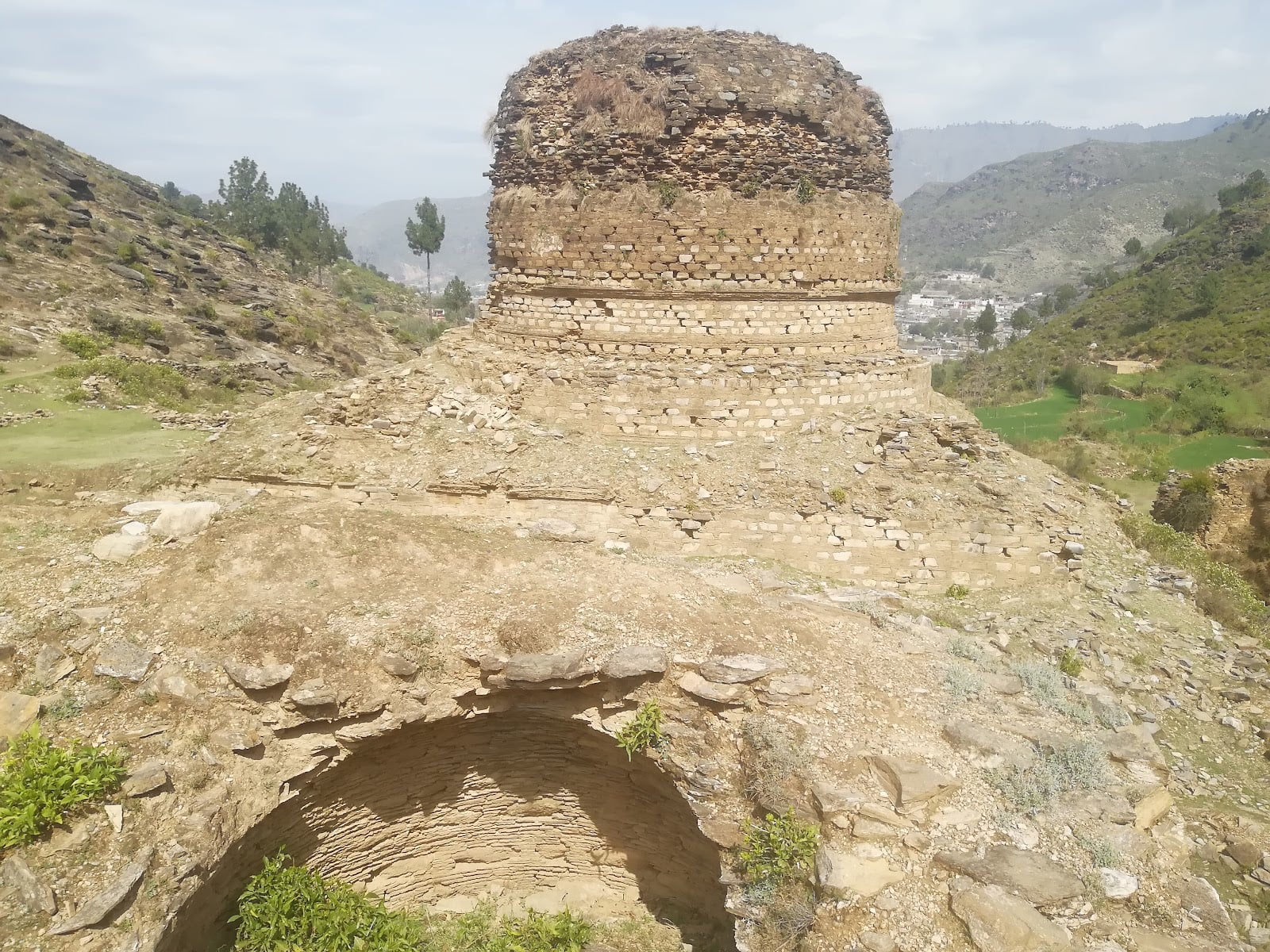
Yes. The site is open to visitors. The Italian Archaeological Mission runs guided tours during the spring and autumn excavation seasons; contact ISMEO Pakistan in advance.
Over 400 known sites have been documented. Around 30 are easily accessible to visitors and another 10 are under active excavation.
Yes at all open-air sites. The Swat Museum requires a separate camera ticket.
Real, verified places in Swat Valley related to this guide — tap any card for photos, hours, phone and directions.
Real Swat tips on hotels, routes, and where to eat — hop on WhatsApp or leave a note on our contact page.