
BarSwat
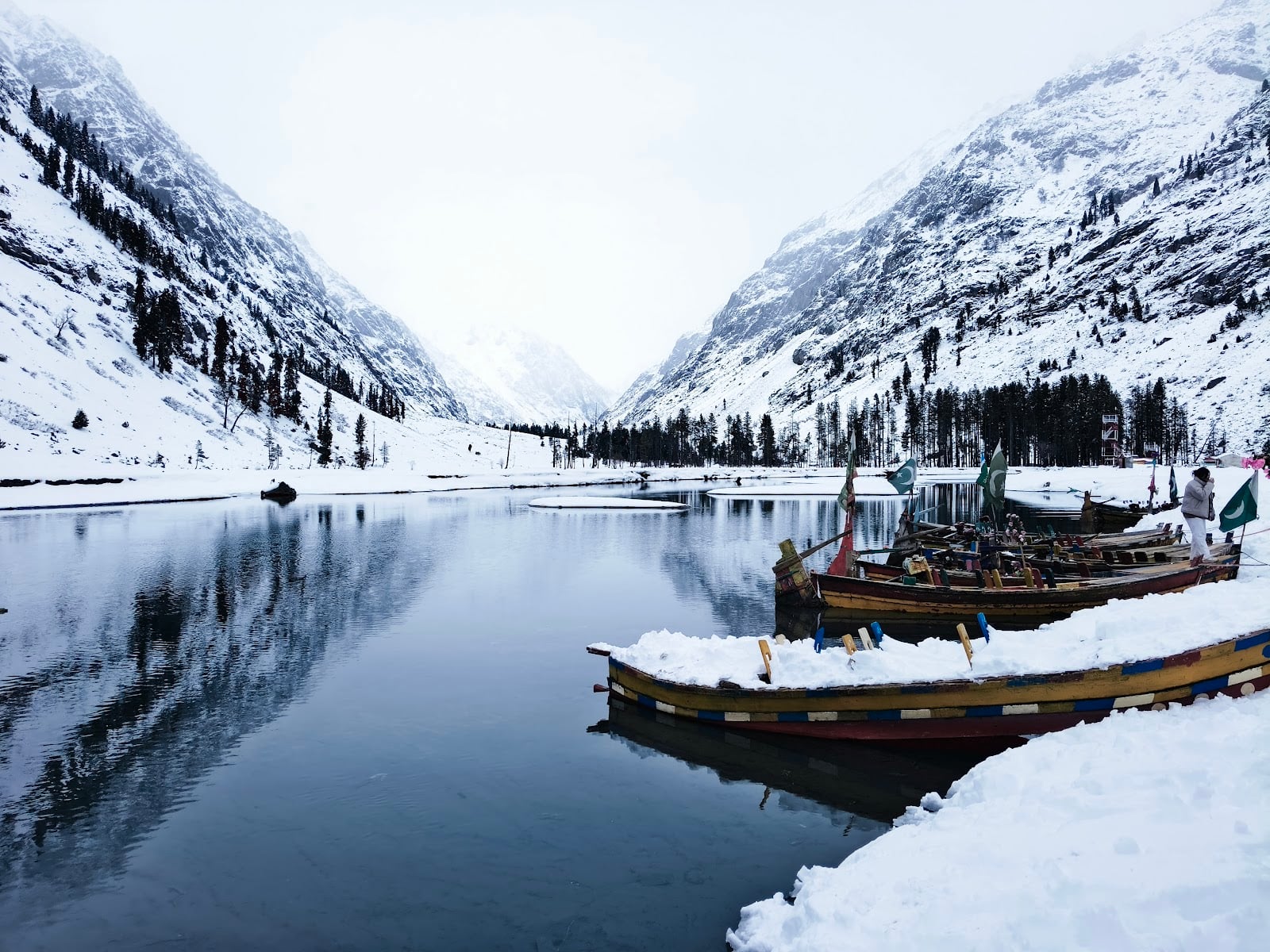
History, must-visit places, day-by-day itineraries, famous foods, handicrafts and practical travel tips — 137 expert articles for planning your Swat trip.
Essential reading
Hand-written references by topic — the foundation before you browse all 137 articles.
6 guides
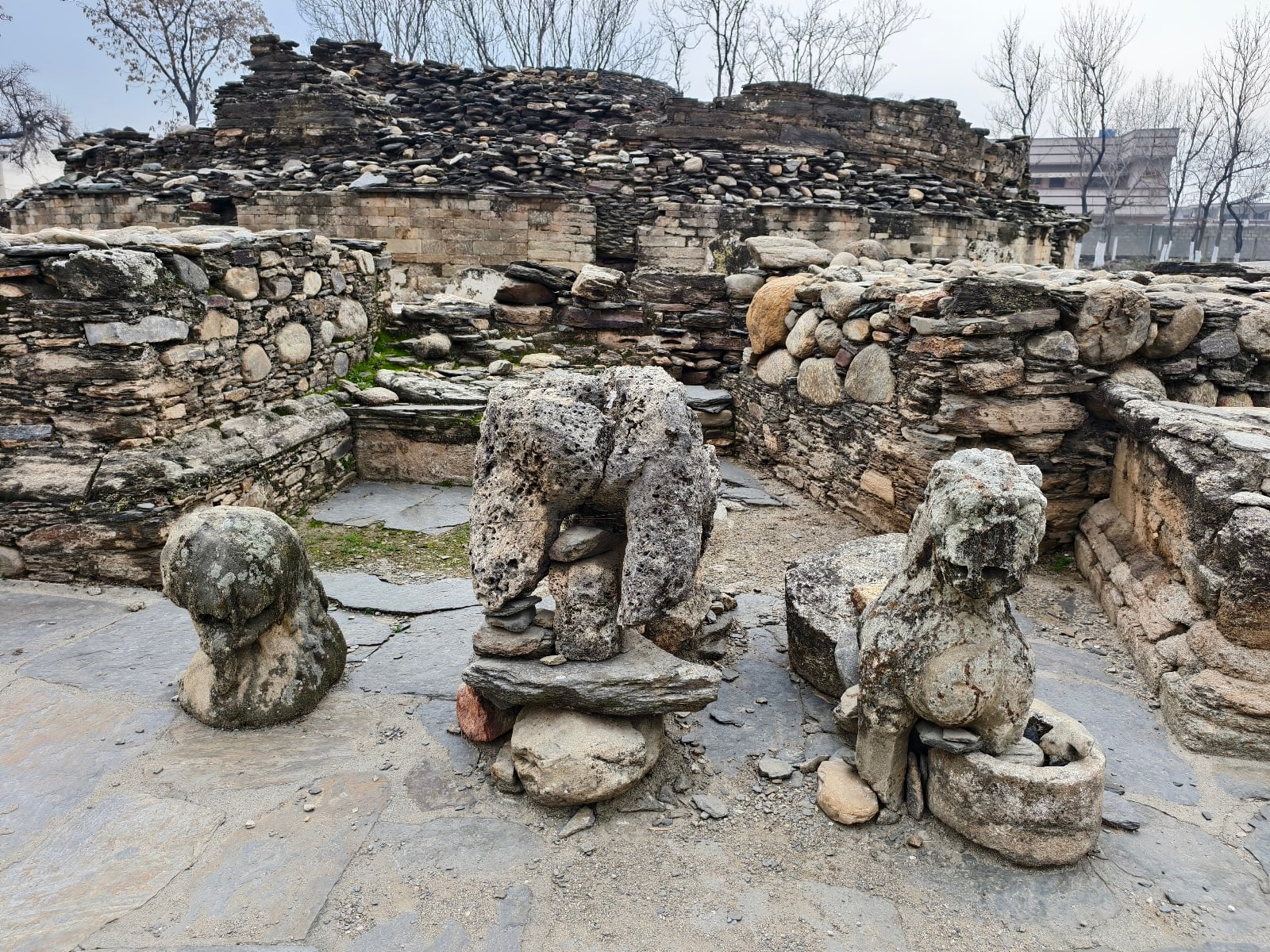
Swat Valley has been inhabited for over 2,000 years and has been ruled by Aryans, Persians, Greeks, Mauryans, Buddhists, Hindus, Mughals, and Pashtuns. Few valleys in the world carry such a layered story. This is the complete history of Swat in plain language.

Long before it became a Pashtun valley, Swat was Uddiyana, one of the most sacred Buddhist lands in Asia. For over a thousand years monks, kings and pilgrims travelled here to study Vajrayana Buddhism, build stupas, and meditate in mountain caves. The Buddha statues, monasteries and rock carvings of Swat are still here today.

Between 1915 and 1969, Swat was an independent princely state ruled by the Wali of Swat. Under Miangul Abdul Wadud and his son Miangul Jahanzeb the valley got free education, modern hospitals, a fair court system and a working road network. Many older Swatis still call this 'the golden era'.
Few small valleys in Asia have produced as many world-shaping figures as Swat. From an 8th-century Buddhist master who carried Vajrayana Buddhism to Tibet, to a 19th-century Sufi reformer who unified the Yousafzai tribes, to the youngest Nobel Peace Prize laureate in history, this is the story of the people who put Swat on the map.
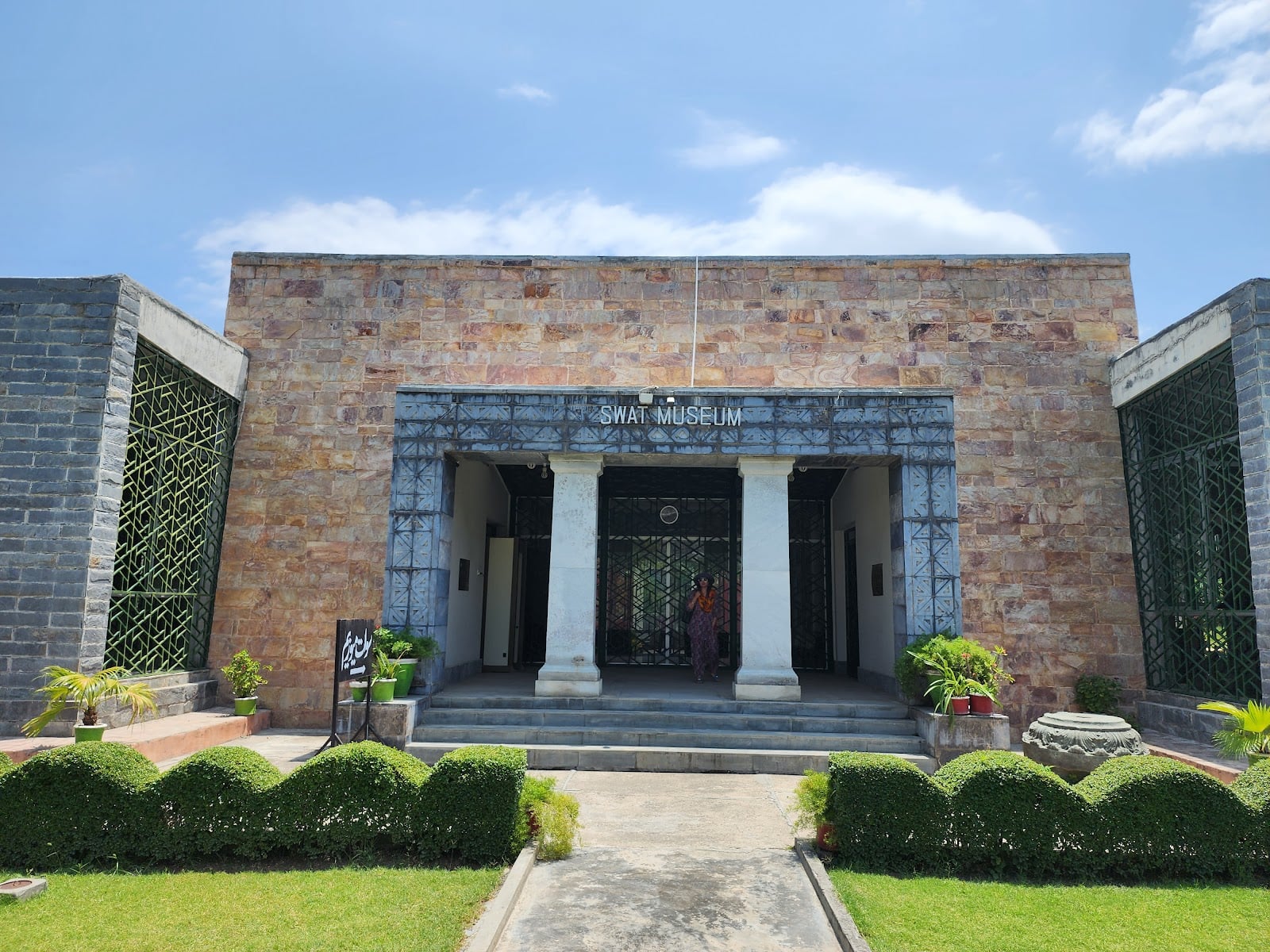
The Swat Museum in Saidu Sharif holds one of the finest collections of Gandhara Buddhist art in Pakistan, alongside an ethnographic gallery showing traditional Swati life.
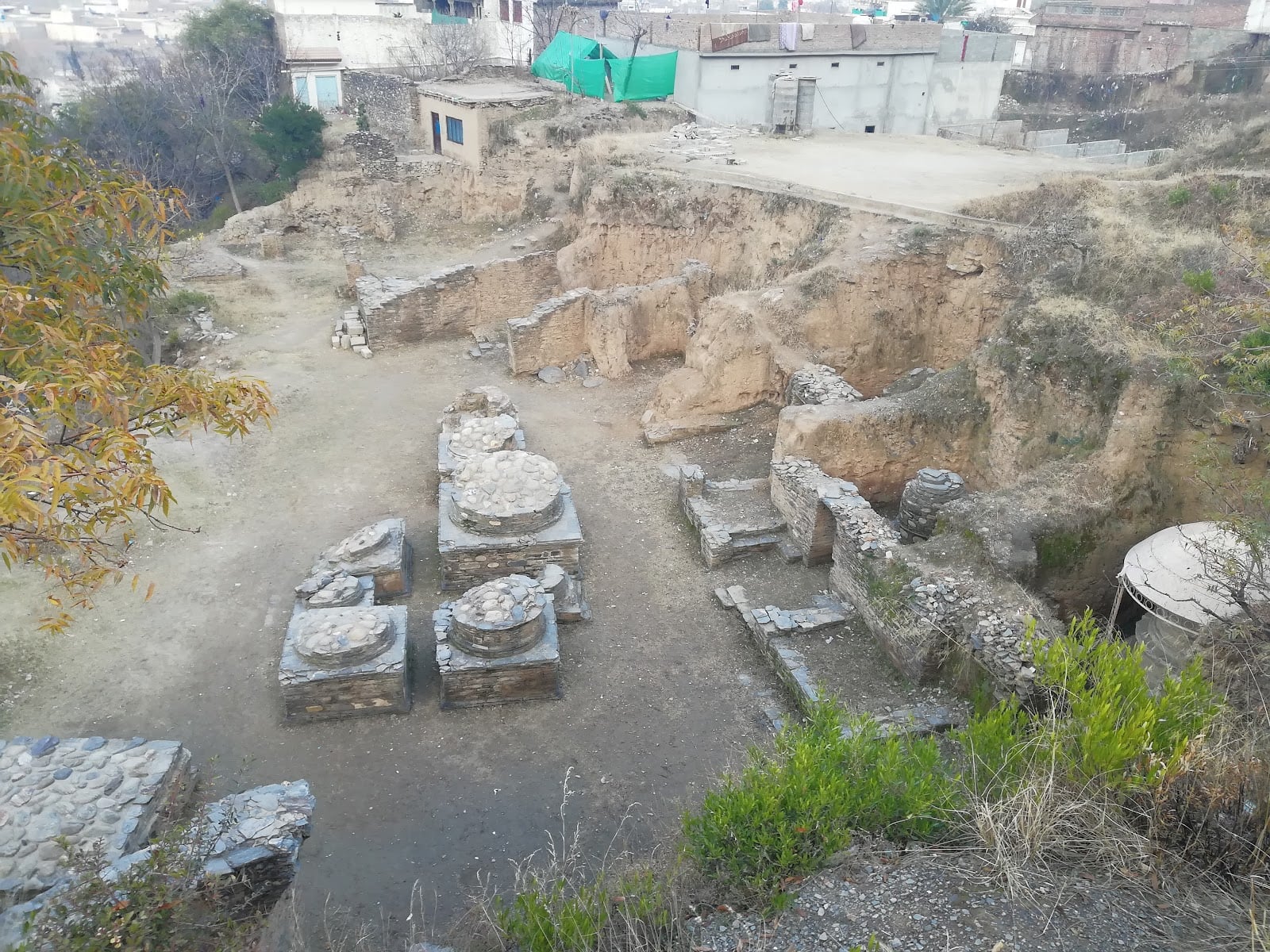
Swat is one of the richest archaeological regions in Pakistan. Italian, Pakistani and German teams have excavated sites spanning Aryan, Greek, Buddhist and Hindu Shahi periods. Here are the major ones.
6 guides
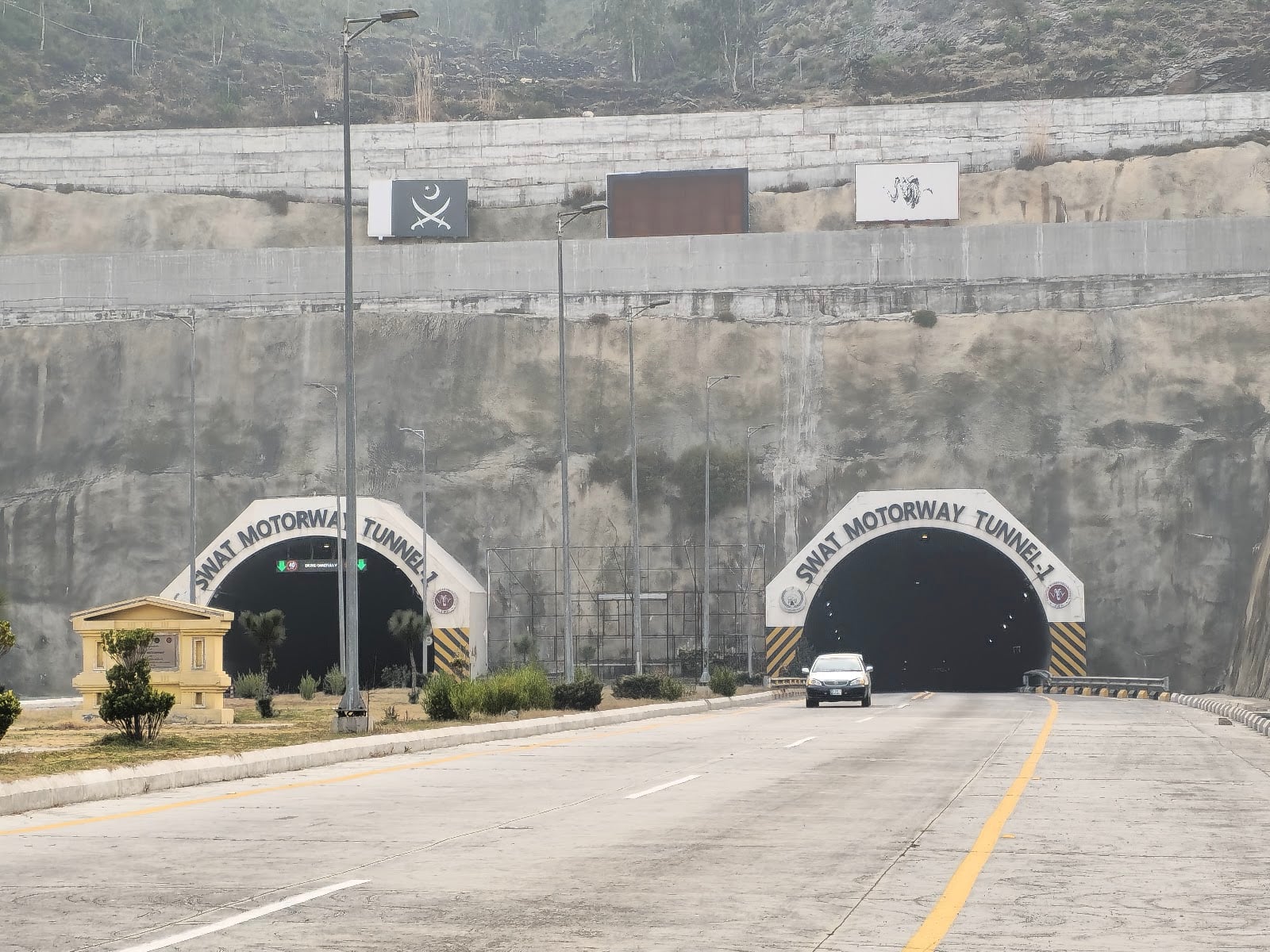
Reaching Swat is easier today than at any time in history, thanks to the M-16 Swat Motorway. Whether you are driving from Islamabad in 4 hours, taking a sleeper bus from Karachi, or flying into Saidu Sharif Airport, here is exactly how to do it.
Three days is the most popular trip length for Swat. This itinerary balances mountains, lakes, history and food, and is realistic for travel by private car or rented Hiace.
Five days lets you slow down and actually enjoy Swat — not just rush from photo stop to photo stop. This itinerary is ideal for families, honeymooners and photographers who want quality time at each place.
If you have a full week, you can experience the real Swat — not just the famous spots, but the hidden valleys, archaeology and food culture. This is the deepest itinerary on BarSwat.
Swat is one of Pakistan's top honeymoon destinations — alpine lakes, mountain hotels with private balconies, and the kind of scenery that makes every photo perfect.
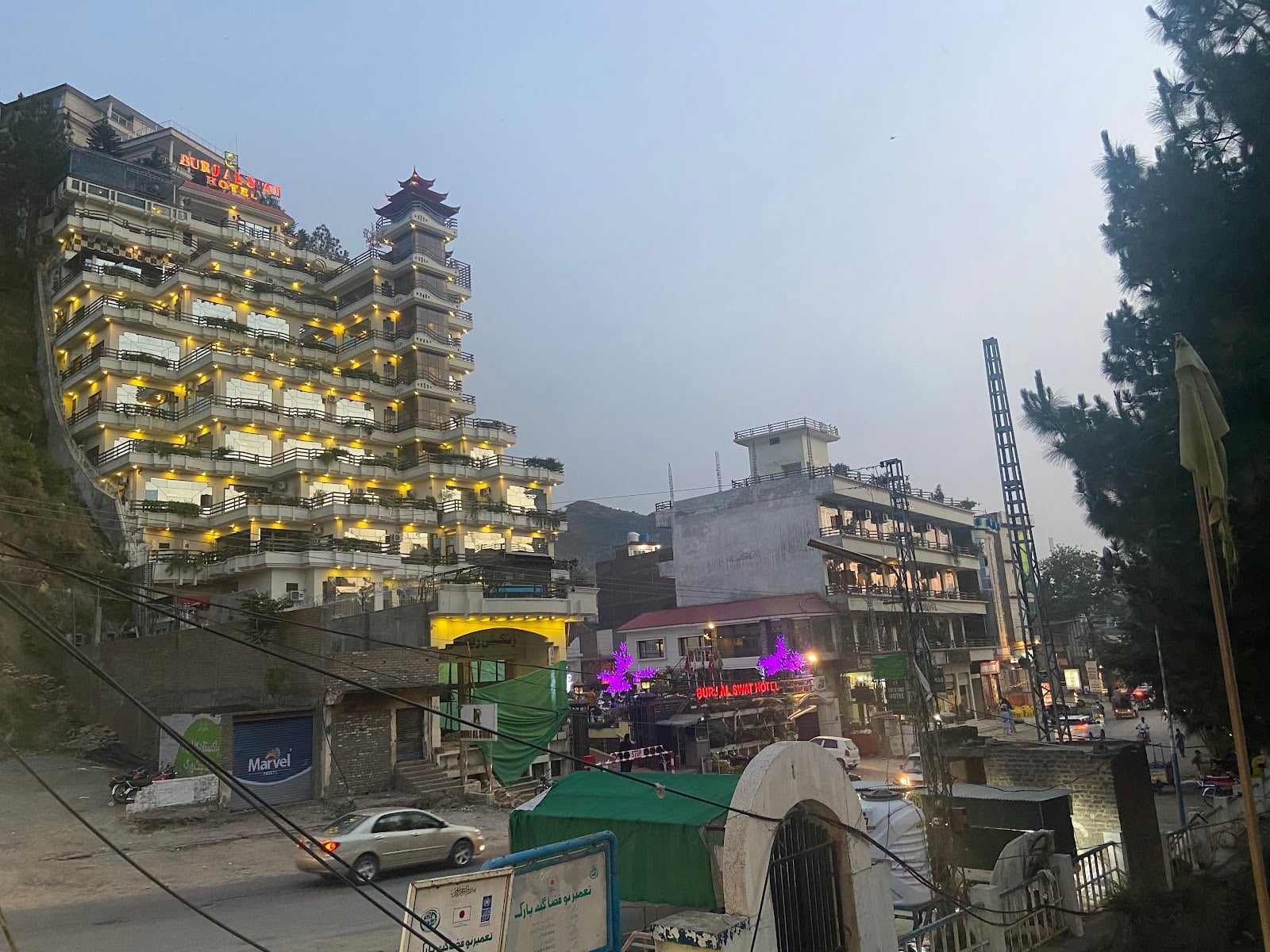
Swat is a top family destination in Pakistan — short driving distances, kid-friendly cable cars and lakes, and family-style hotels with big rooms. Here's the complete family travel plan.
5 guides
Swat is dense with beautiful places — pick wrong and you waste days driving past gems. These are the 20 places you absolutely must see, ranked by combined beauty, accessibility and time-to-impact.
Kalam is the most popular destination in upper Swat — and for good reason. At 6,800 feet, surrounded by snow-capped mountains and pine forests, it's the launchpad for Mahodand, Ushu, Utror and Gabral. Here's everything you need.
Mahodand Lake at 9,500 feet is the most beautiful spot in all of Swat. The drive there through Ushu Forest is half the experience.
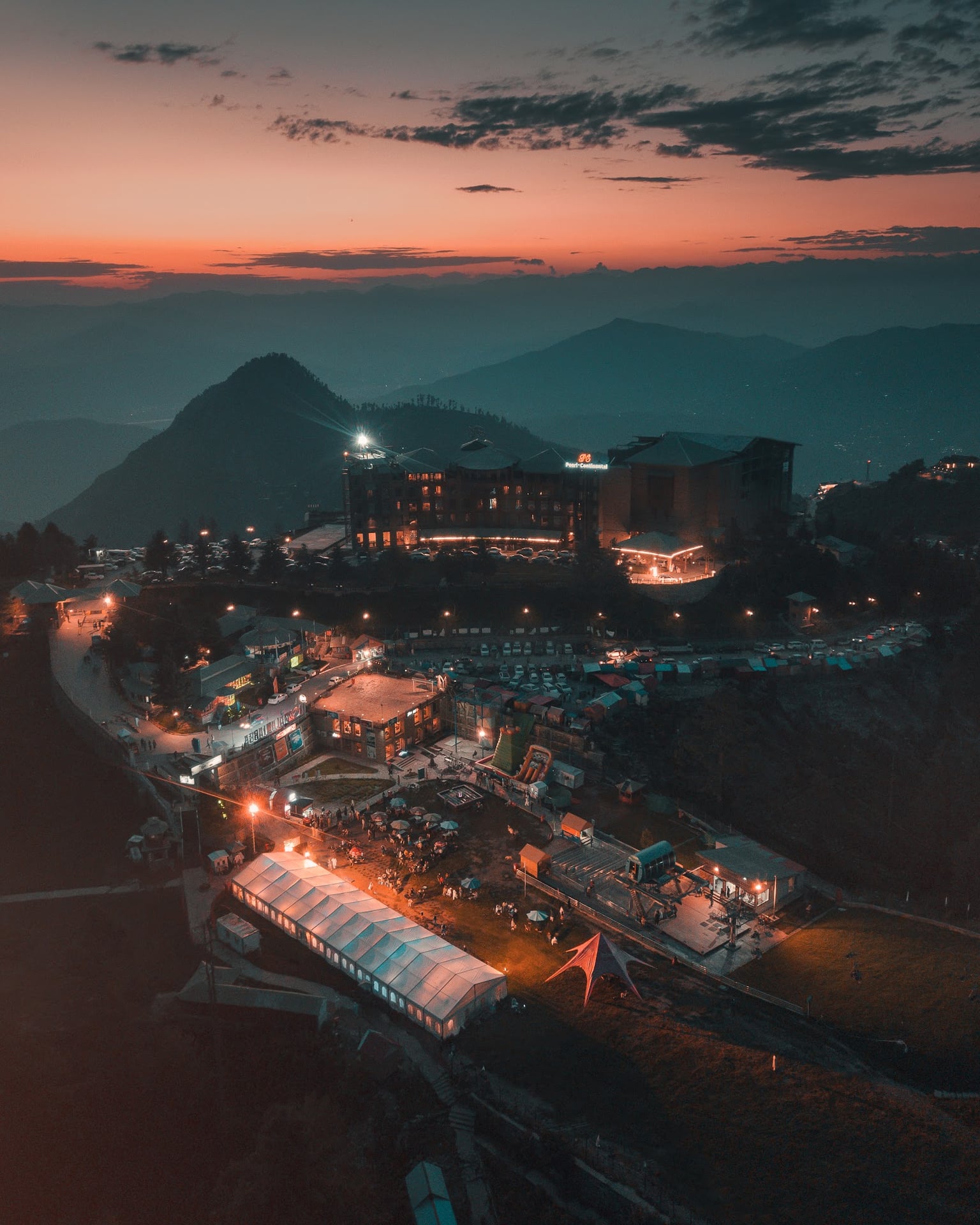
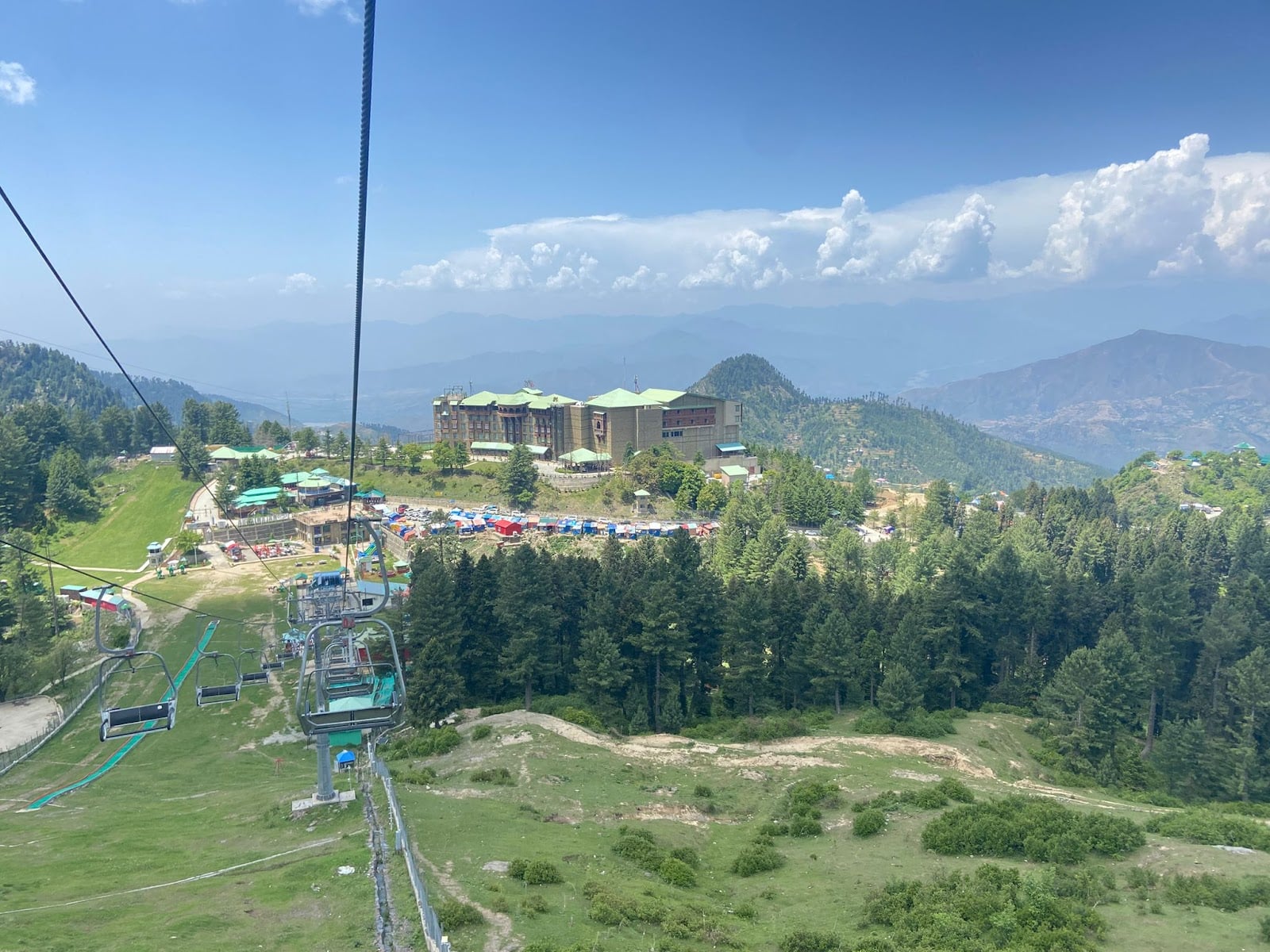
Malam Jabba is Pakistan's only commercial ski resort and one of the country's most exciting adventure destinations year-round. Here's everything you need to plan a trip.
The White Palace at Marghuzar was the summer residence of the Wali of Swat. Built entirely of polished white marble in 1941, it now operates as both a museum and a heritage hotel.
7 guides

Swat's food is hearty, meaty Pashtun cuisine with a mountain twist — fresh trout, mutton karahi, and the world's best chapli kabab. Here's what to order and where.
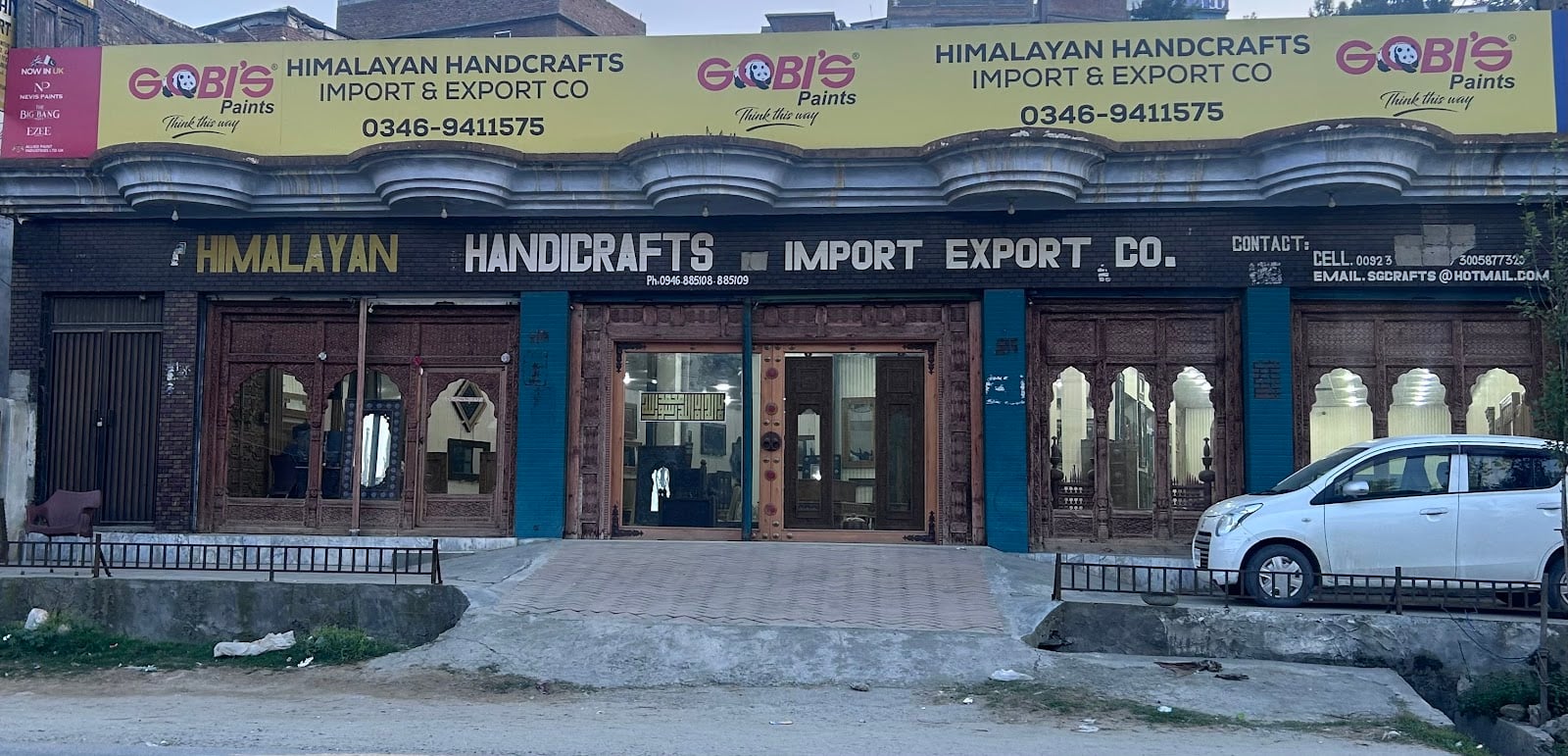
Swat has been famous for its handicrafts for centuries — wool shawls, silk embroidery, walnut wood carving and emerald jewelry. This guide tells you what to look for and where to buy authentic pieces.
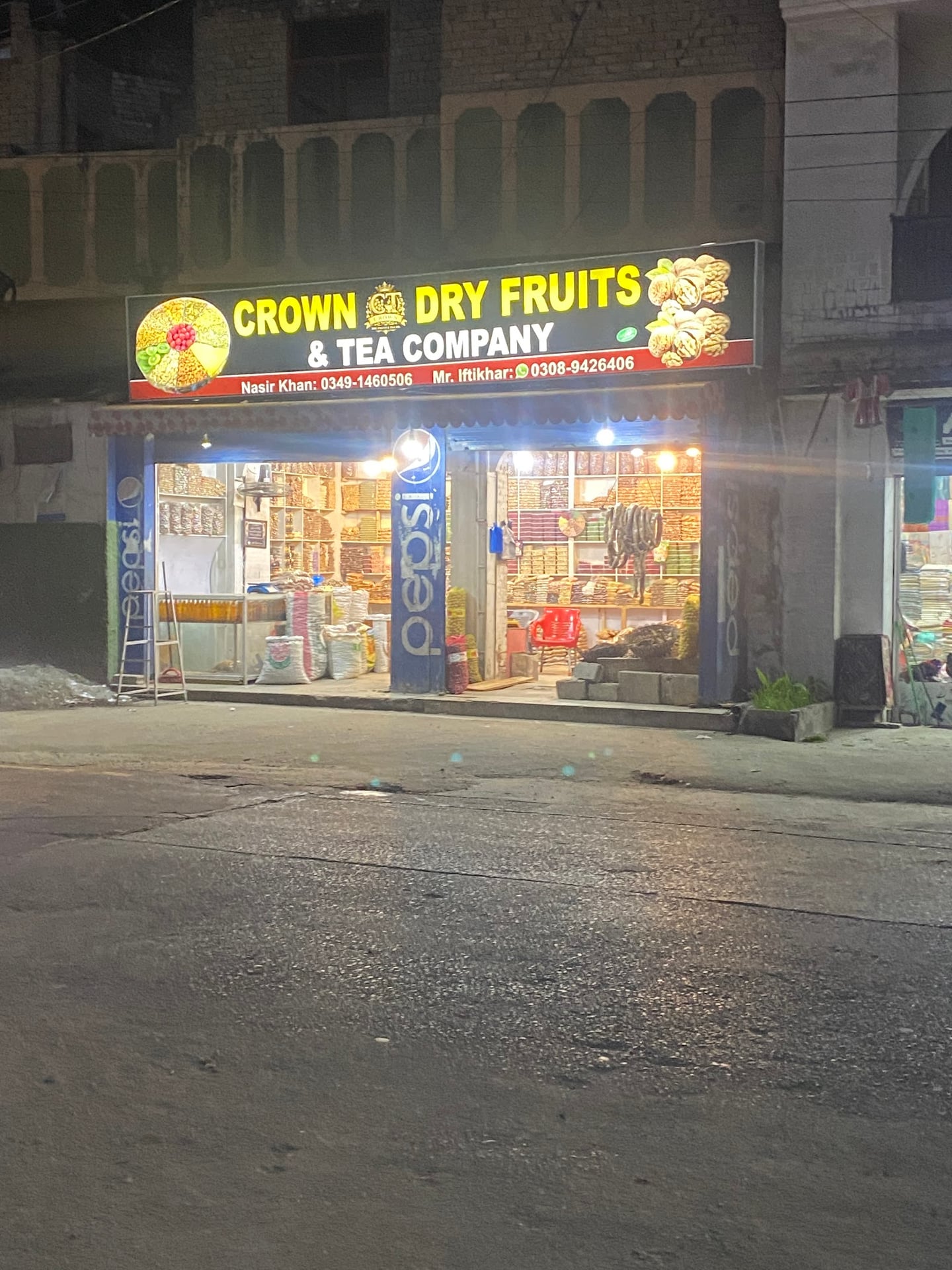
Swat's mountain orchards produce some of the best walnuts, apricots and honey in Pakistan. Here's what to look for, when to visit, and how to spot the real thing.
Swat hosts colourful festivals year-round, from spring blossom celebrations to winter snow festivals at Malam Jabba.
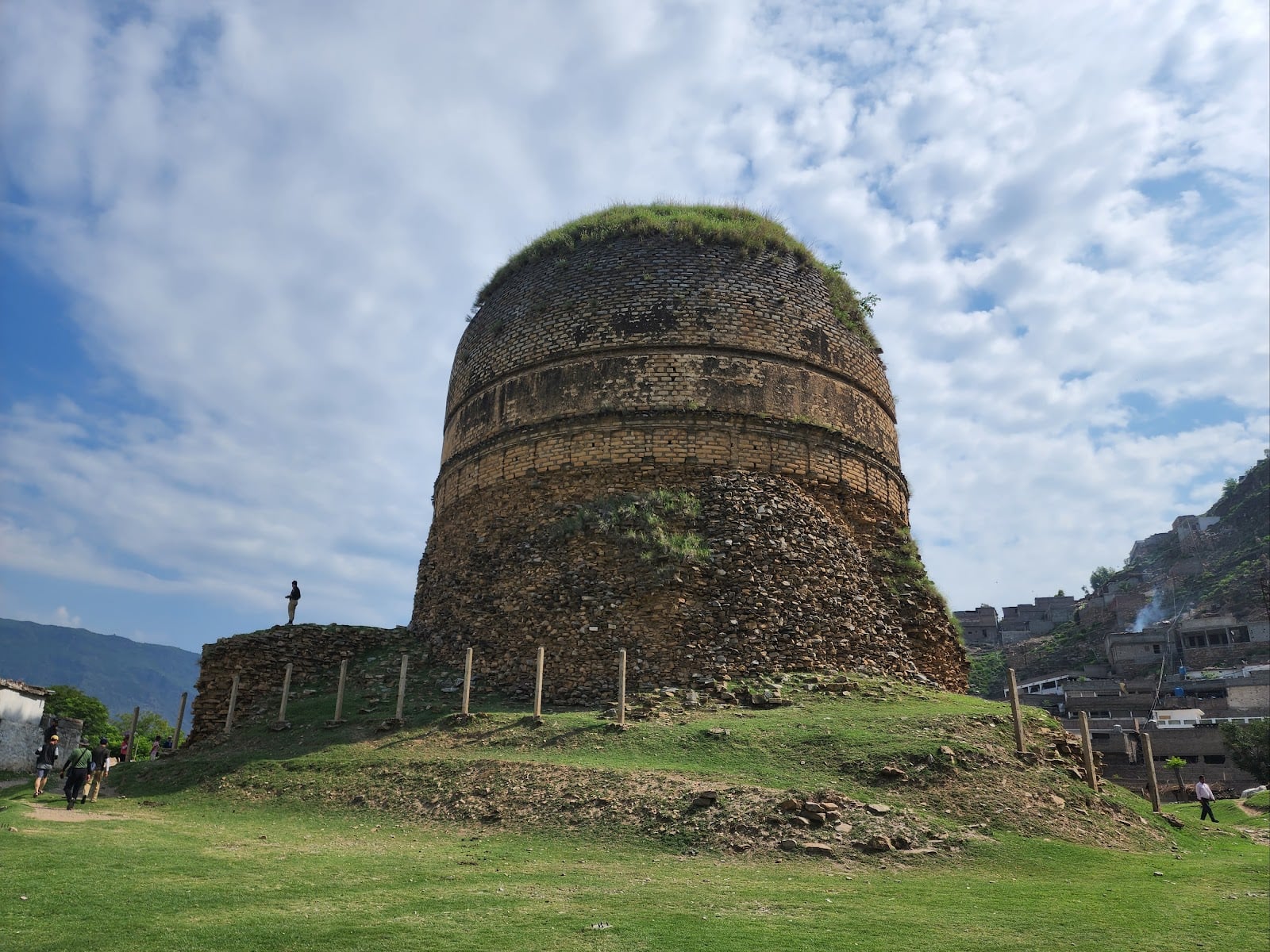
Swat is home to some of the world's finest emeralds. The Mingora and Gujar Killi mines have produced gem-quality stones since the 1950s — comparable in quality to Colombian emeralds.
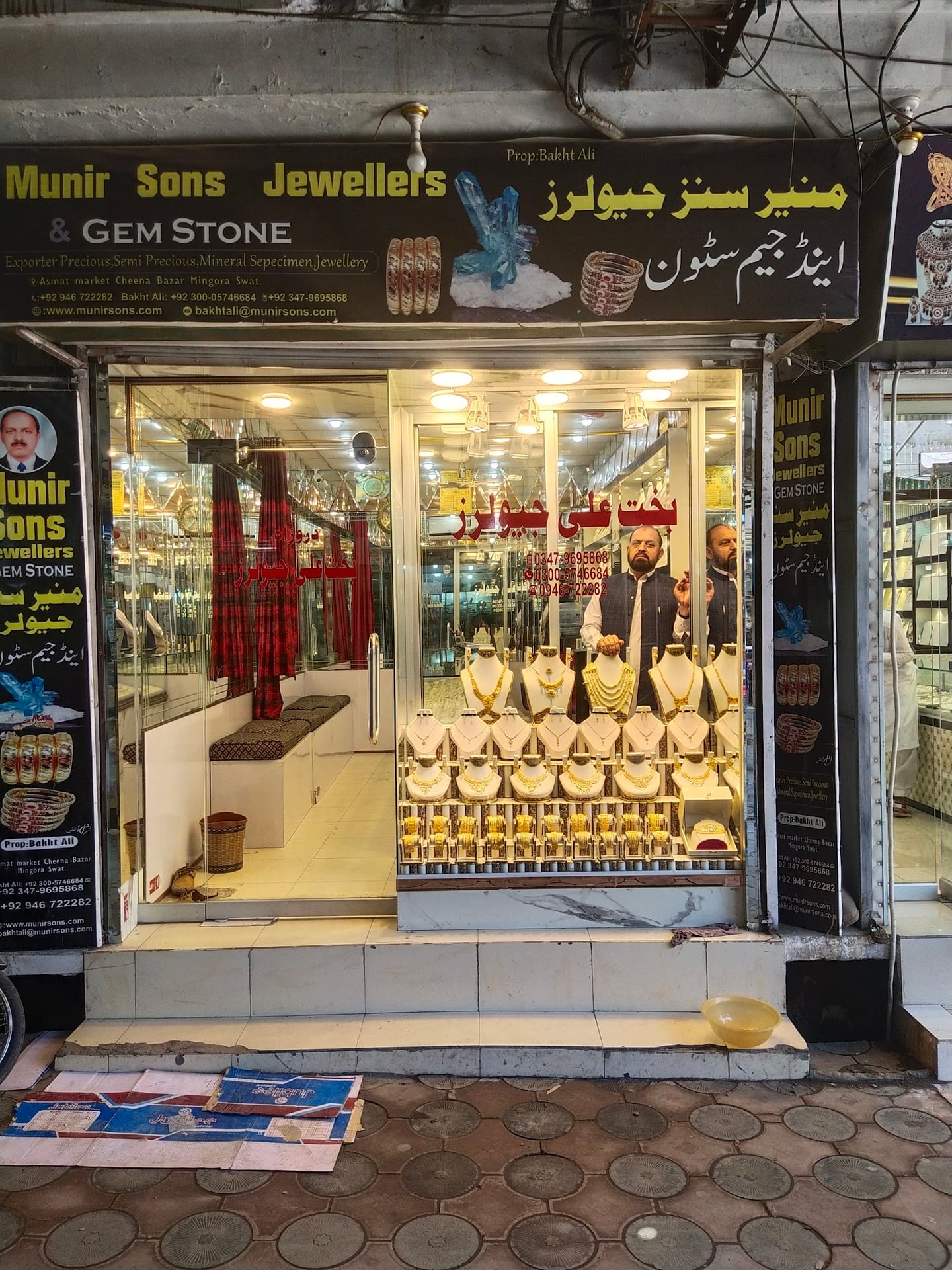
Don't leave Swat empty-handed. The valley produces some of Pakistan's best shawls, honey, dry fruits and emeralds. Here's what to buy in each town.
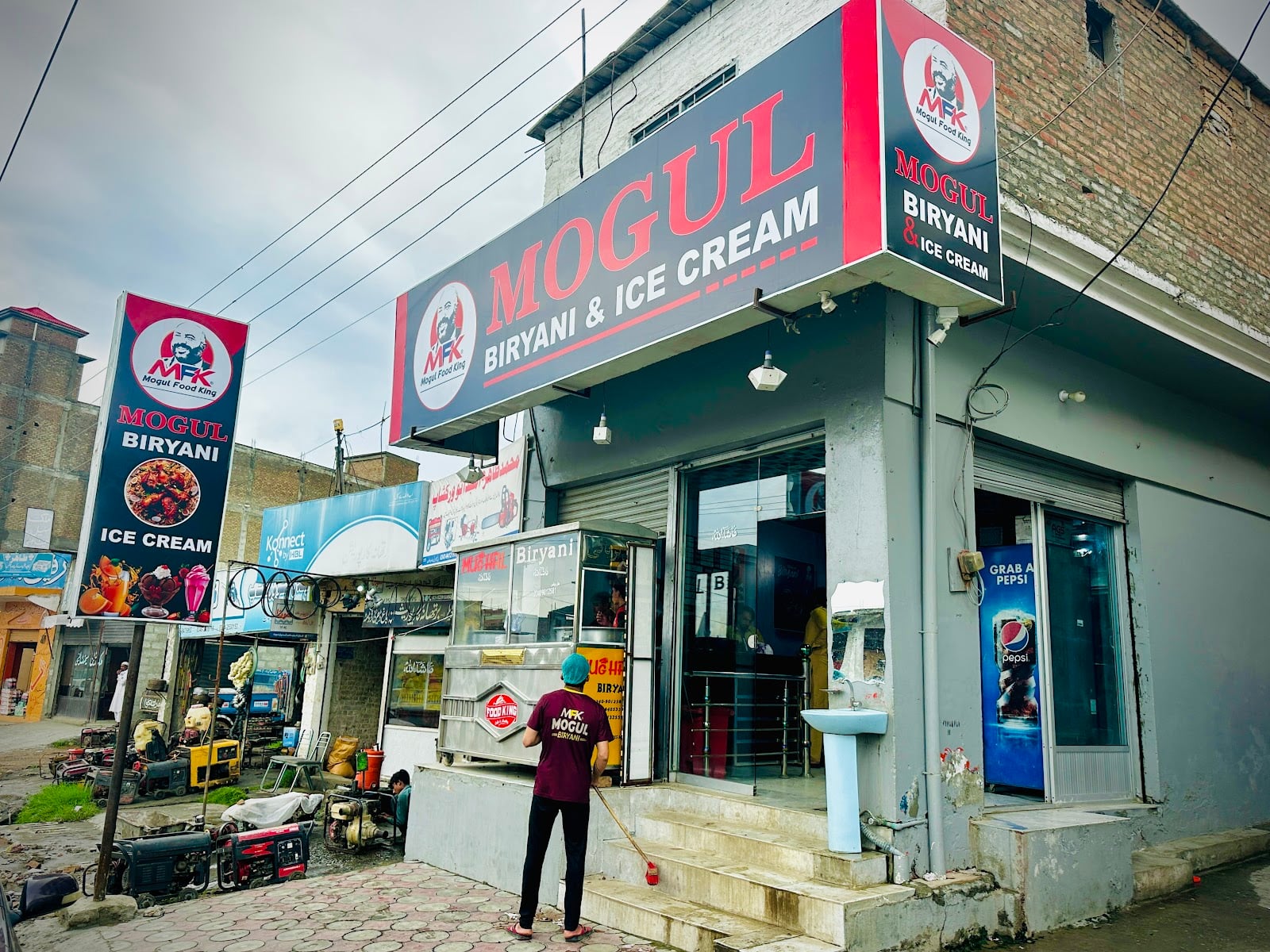
Swat's restaurant scene has exploded over the last decade. From legendary chapli kabab joints in Mingora that have been running for 50 years, to riverside trout houses in Kalam, to fine dining at the Pearl Continental Malam Jabba, here are the spots locals and seasoned travellers actually recommend.
5 guides
Swat is a 4-season destination — there is no truly bad time to visit, but each month offers something different. This guide tells you exactly what weather, scenery and crowds to expect every month of the year.
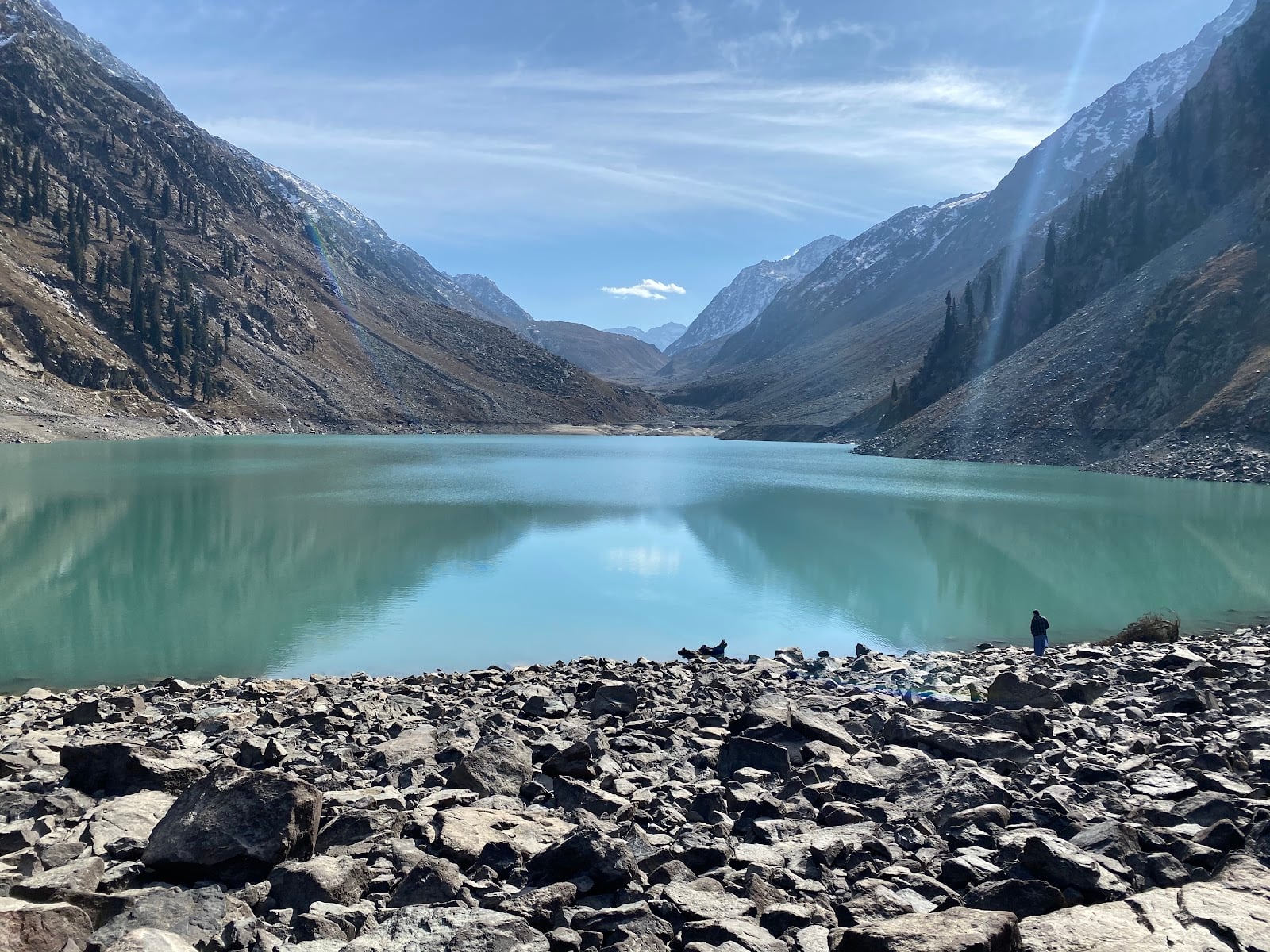
Swat's weather changes with elevation and season — even summer evenings in Kalam need a jacket. Here's the complete packing list, organised by season.
Yes — Swat is safe for tourists today. Since the 2009 military operation cleared the valley, tourism has boomed and millions visit annually. Here are the practical safety facts you need.
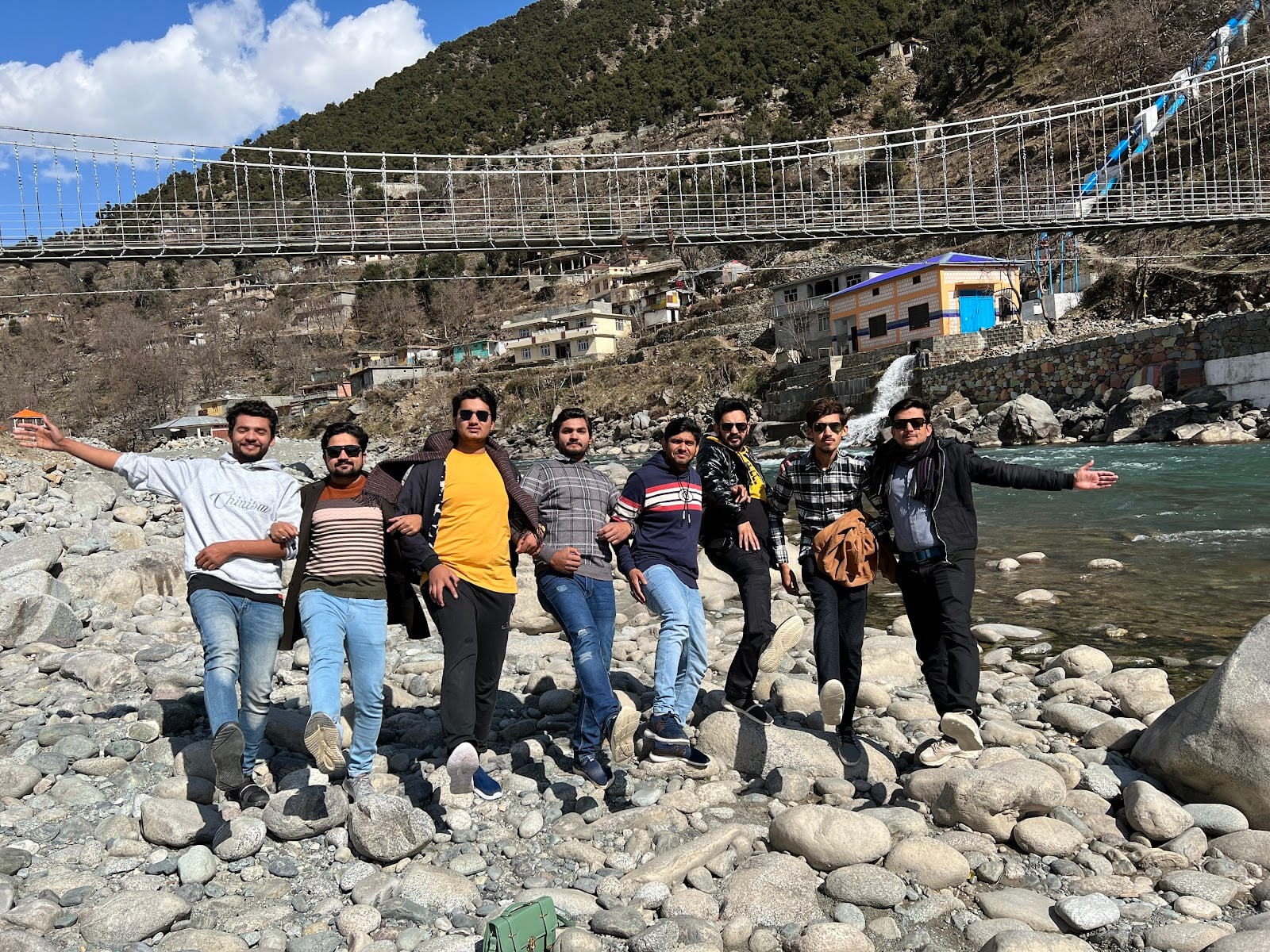
Swat doesn't have to be expensive. With public transport, budget hotels and shared jeeps, two friends can do a full 3-day Swat trip for under PKR 15,000 each. Here's how.
Swat is increasingly popular with foreign tourists, especially since the Tourism Visa-on-Arrival programme. Here's everything a foreigner needs to know.
4 guides
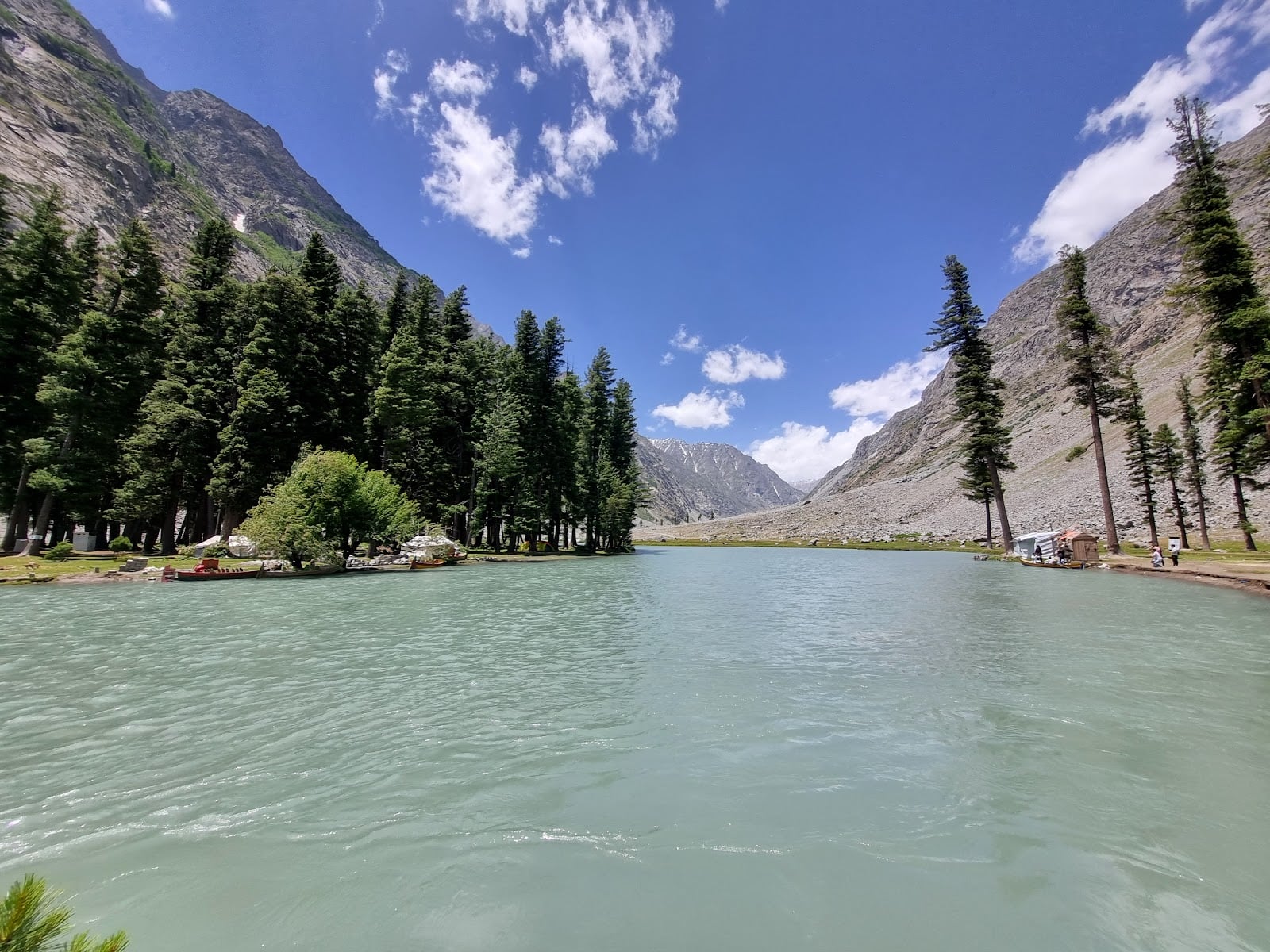
Swat has some of the most beautiful alpine lakes in Pakistan. Most require a jeep ride or a trek, but they reward effort with surreal turquoise water and pine-and-snow scenery.
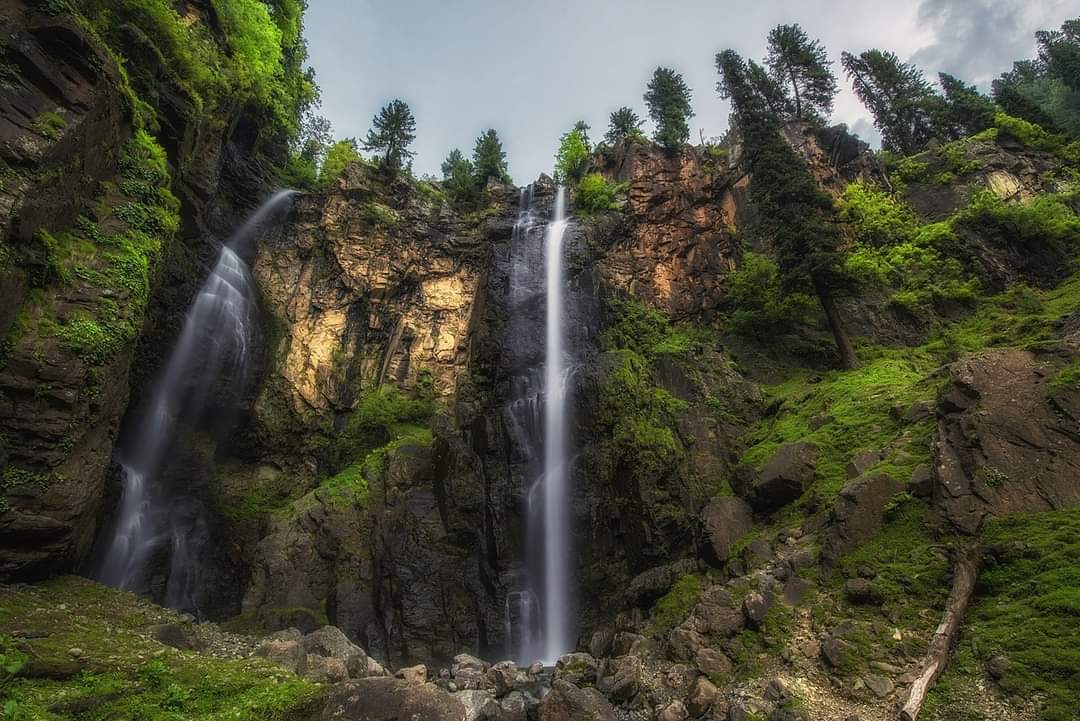
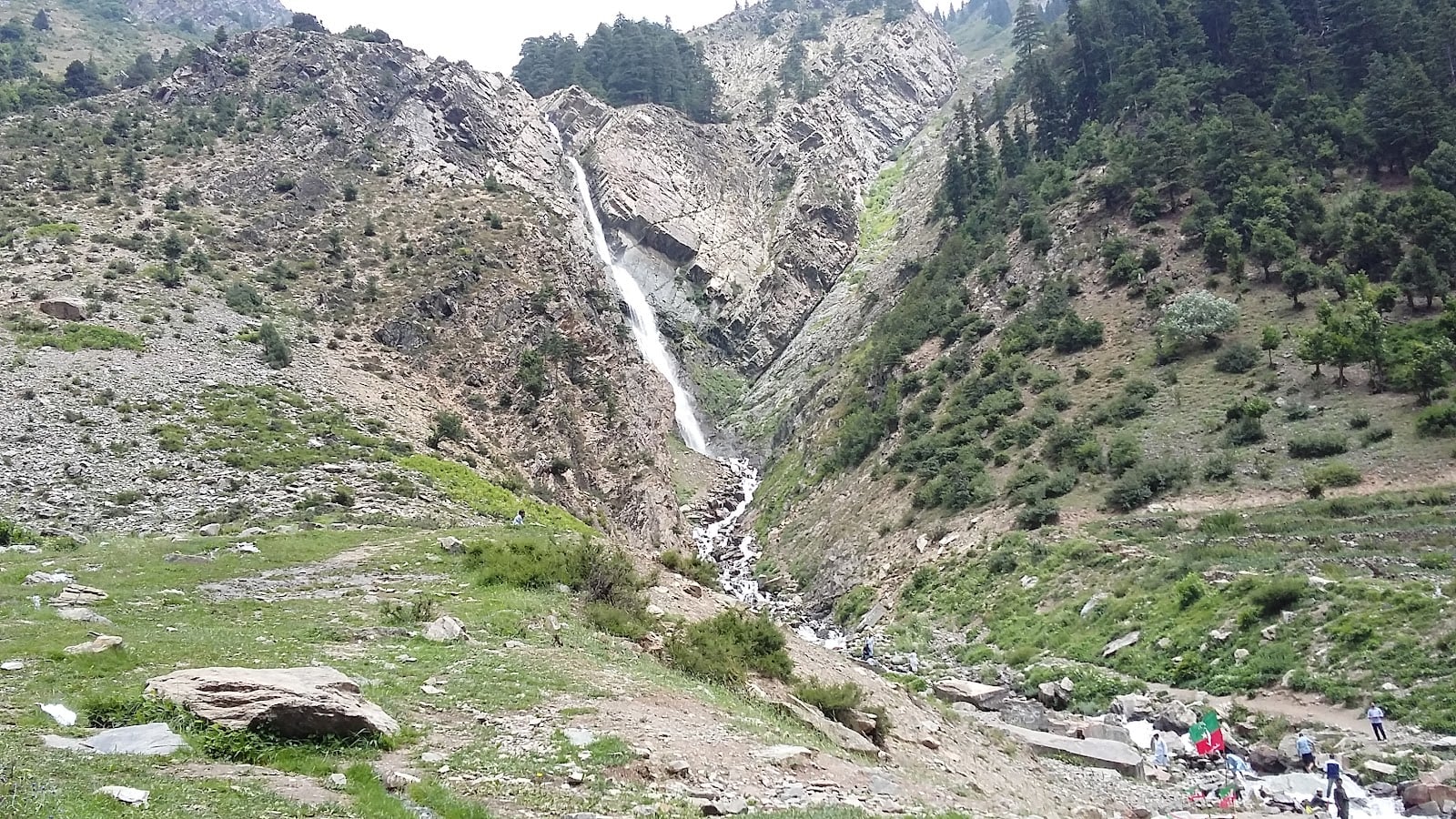
Swat is full of waterfalls, from giant cliff-falls like Jarogo to easy roadside ones like Charr Tangay. Here are the best.
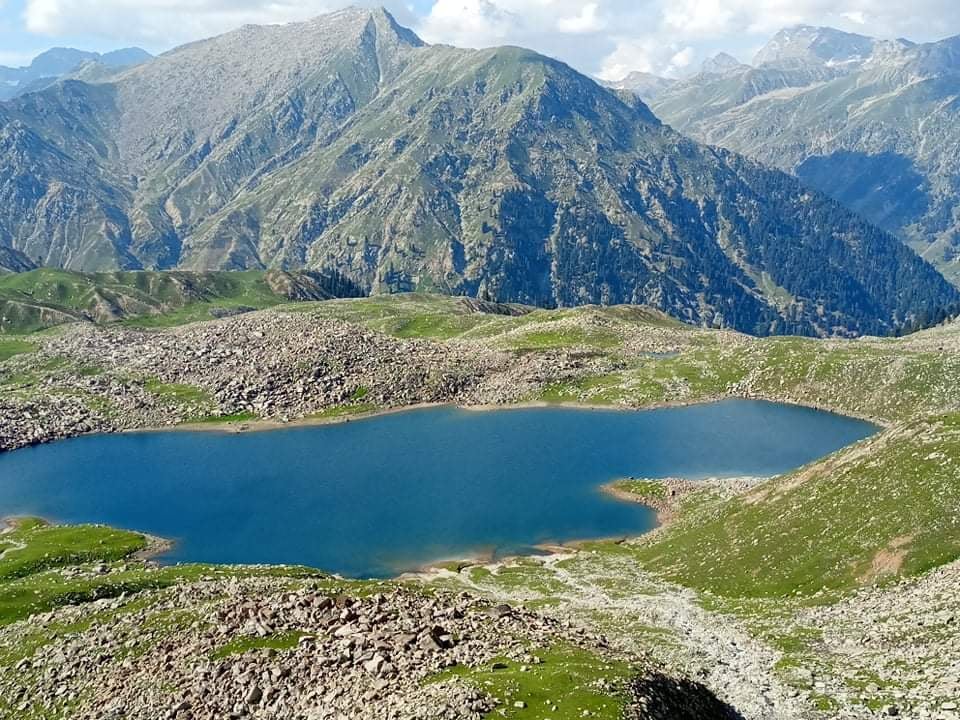
Swat is a photographer's dream — alpine lakes, golden autumn forests, white marble palaces and snowy peaks. Here are the spots and the best times to shoot them.
Swat is one of the best trekking destinations in Pakistan — easy day hikes for beginners, plus serious multi-day treks for experienced hikers up to 19,000-foot peaks.
Next step
Browse 2,300+ verified hotels, restaurants, hospitals and shops across Swat Valley — or message us for a local recommendation.