
BarSwat
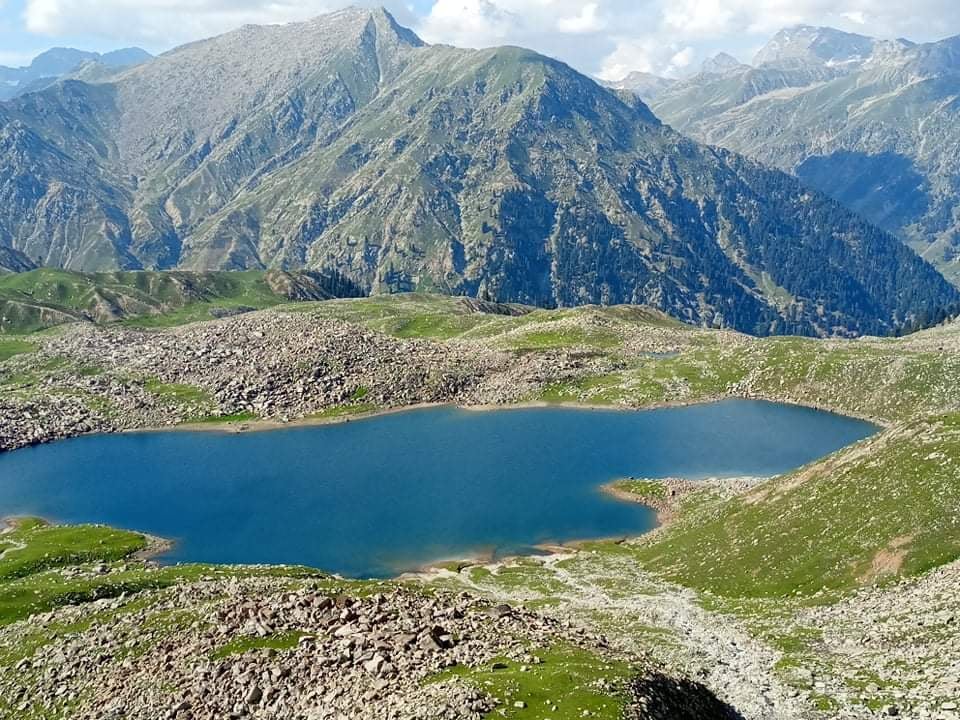
Swat is a photographer's dream — alpine lakes, golden autumn forests, white marble palaces and snowy peaks. Here are the spots and the best times to shoot them.
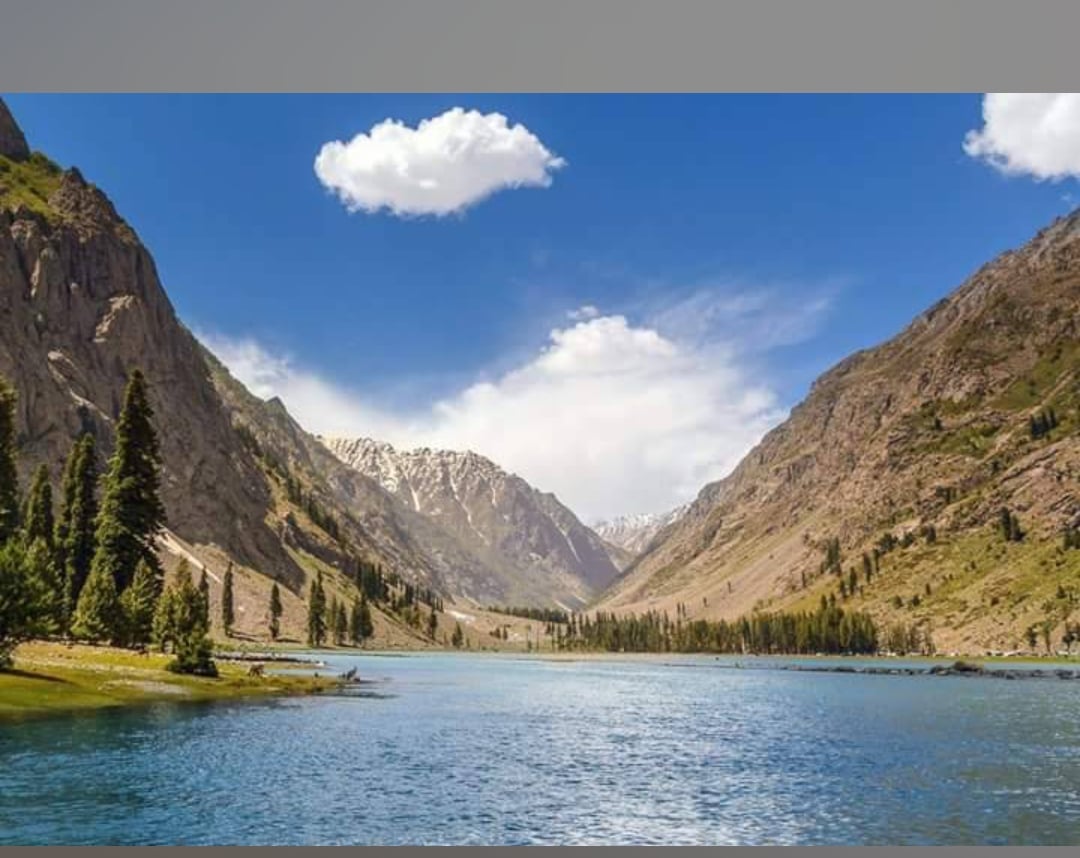
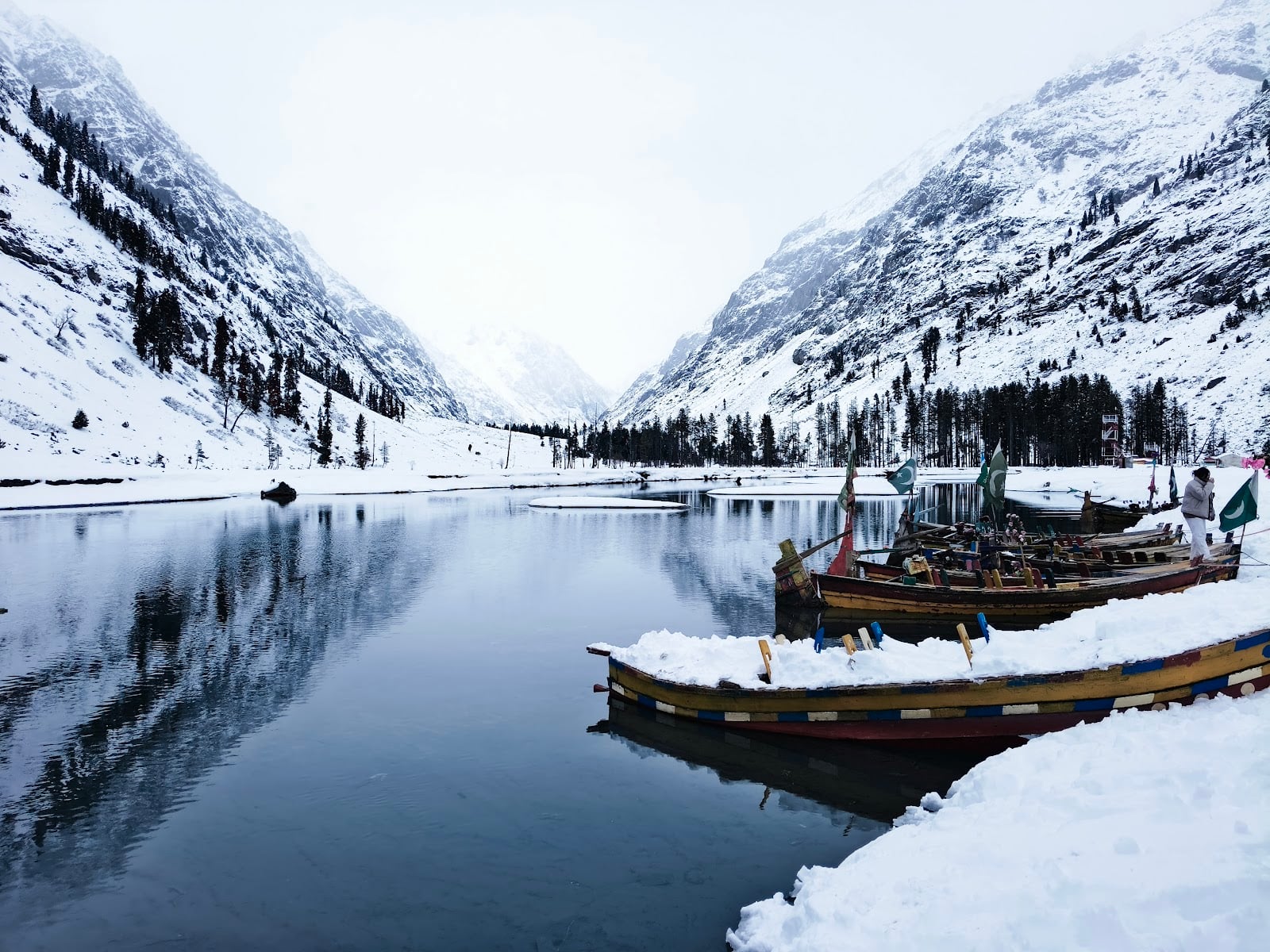
The most iconic shot in Swat. Reach the lake the evening before and camp overnight so you are at the shore by 6:30 AM. The still morning water mirrors pine forests, snow-capped peaks and clear sky in a perfect reflection.
Best months: July (wildflowers) and September (early snow on peaks). Use a wide-angle lens (16-24mm) to capture the full panorama.
The light lasts for about 45 minutes after sunrise before the sky becomes flat; after 8 AM harsh shadow lines appear.

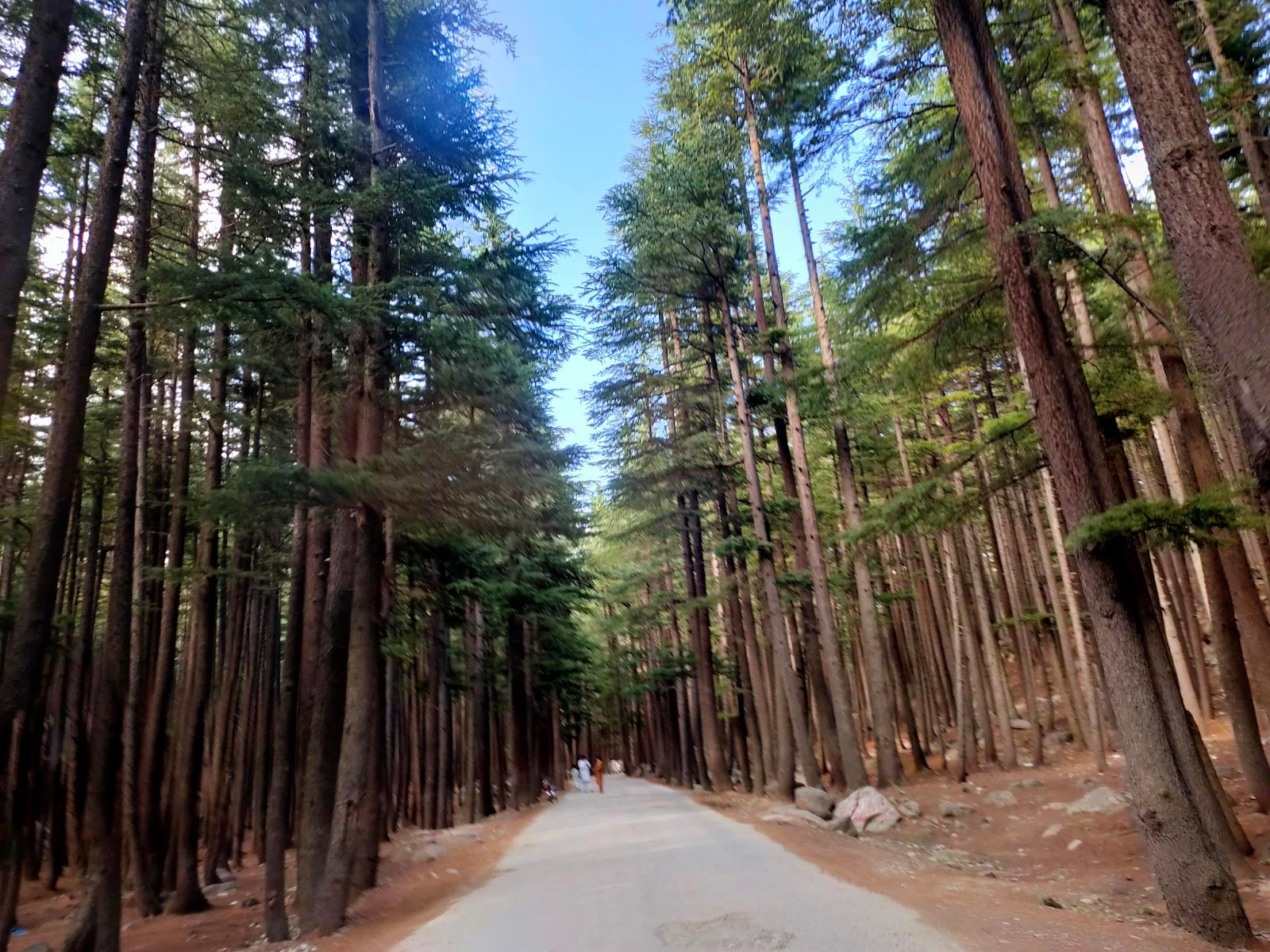
October is the golden hour for Swat photography. The walnut trees and poplars along the Ushu road above Kalam turn brilliant yellow and orange against the green pine backdrop and white snow peaks.
The Ushu Forest road from Kalam heading towards Matiltan is the primary location. Best light: mid-morning (9-11 AM) when the sun is at 45 degrees and shadows are not harsh.
Also try the Kalam to Mahodand road in October for mile after mile of golden autumn colour.
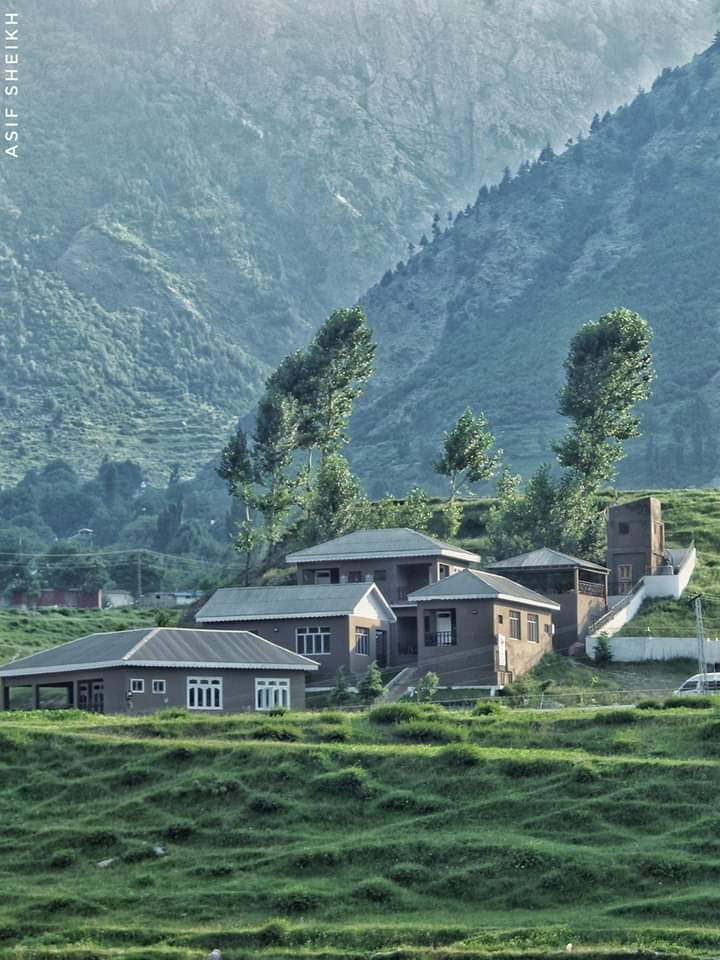
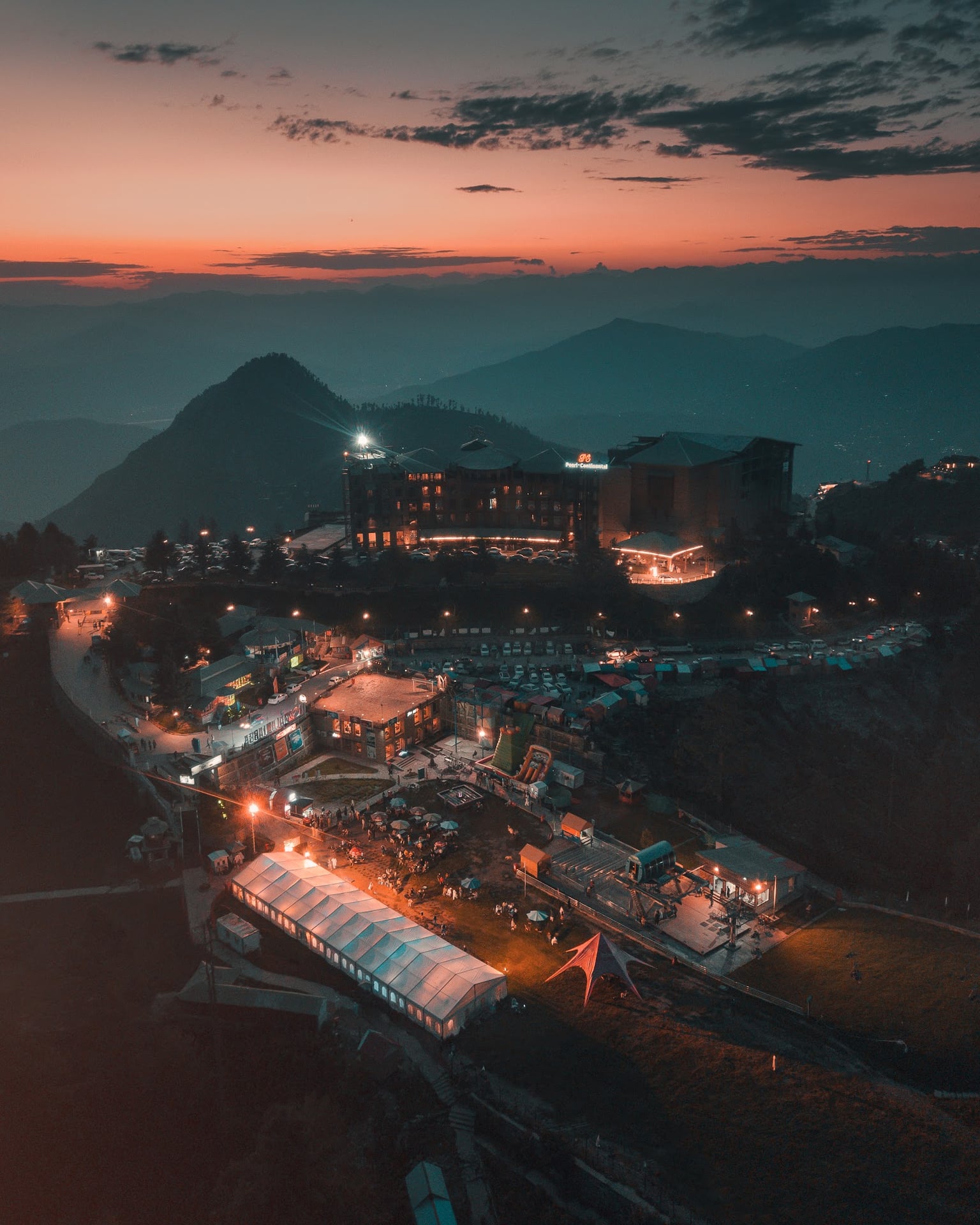
Shoot from inside the gondola looking back over the resort and the full Swat Valley below. Best in the first morning gondola (opens around 9 AM) before haze builds.
Alternatively, shoot the gondola from below at the mid-station viewpoint with snow peaks behind. Works in any season.
In winter the resort turns white; snow-contrast shots work extremely well from the top station.
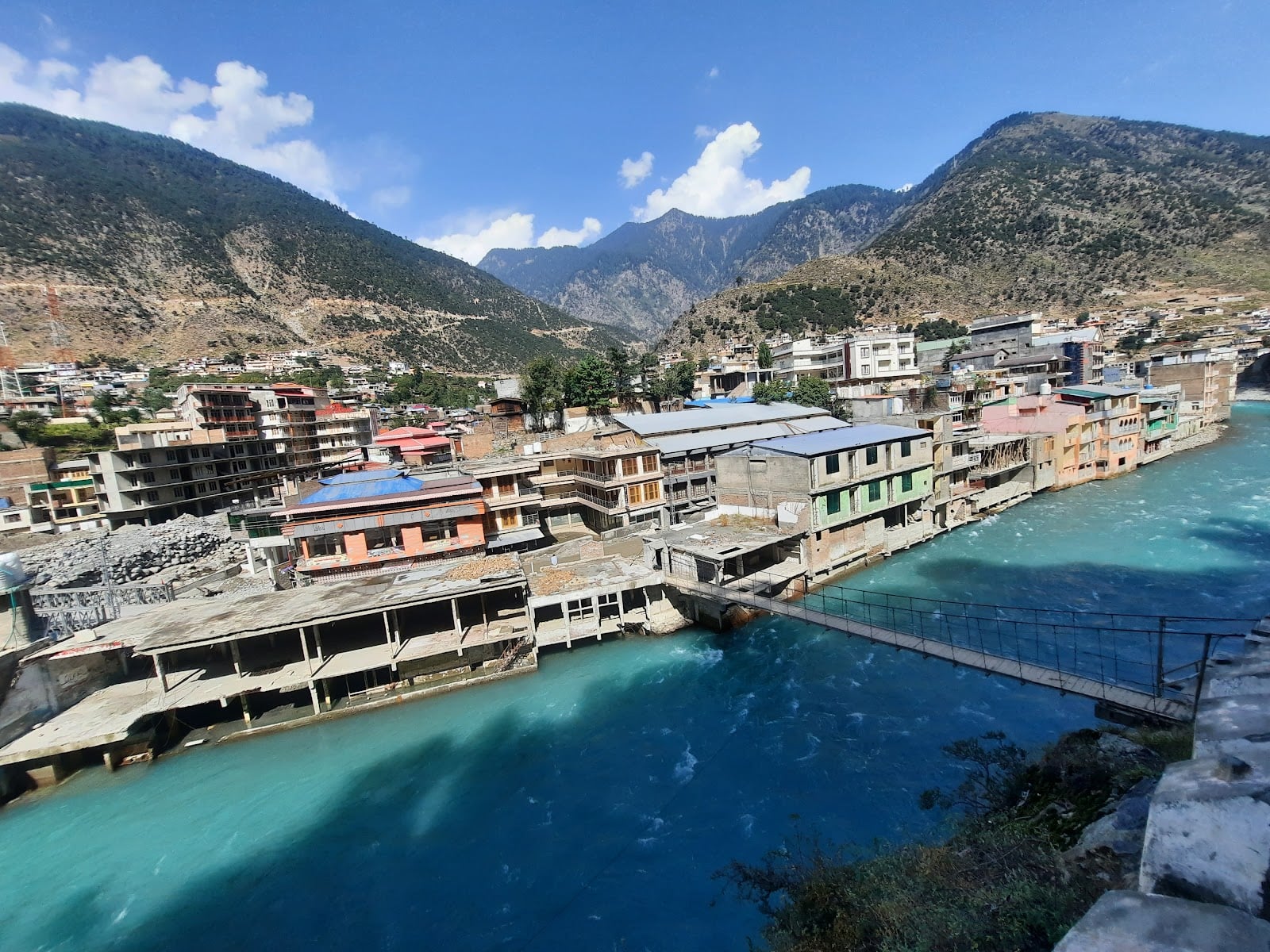
The confluence of the Swat and Bahrain rivers below the old bridge is a strong landscape subject. A long exposure (1/8 to 1/2 second) smooths the rapids into silky water.
Best light: late afternoon (4-6 PM) when the sun is behind the photographer. Golden hour reflections on the water are particularly effective.
The all-white marble facade is best photographed in early morning light (7-9 AM) before tourists arrive and the car park fills.
For architecture photography, a tilt-shift or vertical correction in post-processing is useful because the main building has a slightly asymmetric garden layout.
The orchard behind the palace in spring (late March) produces a stunning blossom backdrop for wide shots.
The trek to Daral Lake offers some of the best high-altitude photography in Swat. The meadows between 3,000 and 3,500 metres are covered with wildflowers in July.
Carry a lightweight mirrorless system; DSLR bodies get heavy fast on a 4-hour ascent.
Generally yes in tourist areas, but avoid flying near army checkpoints, cantonment areas or Saidu Sharif Airport. No specific permit is required for hobbyist drones under 2 kg.
A mirrorless system (Sony A7 series, Fuji XT series) is ideal. Bring a wide-angle zoom (16-35mm) for landscapes and a short telephoto (85-135mm) for portraits at bazaars. The mountain light is very strong; an ND filter is useful.
October for autumn colours and clear skies. July for wildflowers and waterfalls at full flow. January for snow and frost photography at Malam Jabba.
Real, verified places in Swat Valley related to this guide — tap any card for photos, hours, phone and directions.
Real Swat tips on hotels, routes, and where to eat — hop on WhatsApp or leave a note on our contact page.
