BarSwat
A practical monsoon guide for Swat, including road risks, hotel planning, photography opportunities and the best areas to stay dry.
Monsoon in Swat usually affects the lower and middle valleys from late June through August, bringing afternoon rain, green hills and occasional road problems. It does not mean constant rain every day. Often the morning is clear, clouds build by afternoon, and showers or thunderstorms arrive later. The upper valleys can be lush and beautiful, but road risk increases.
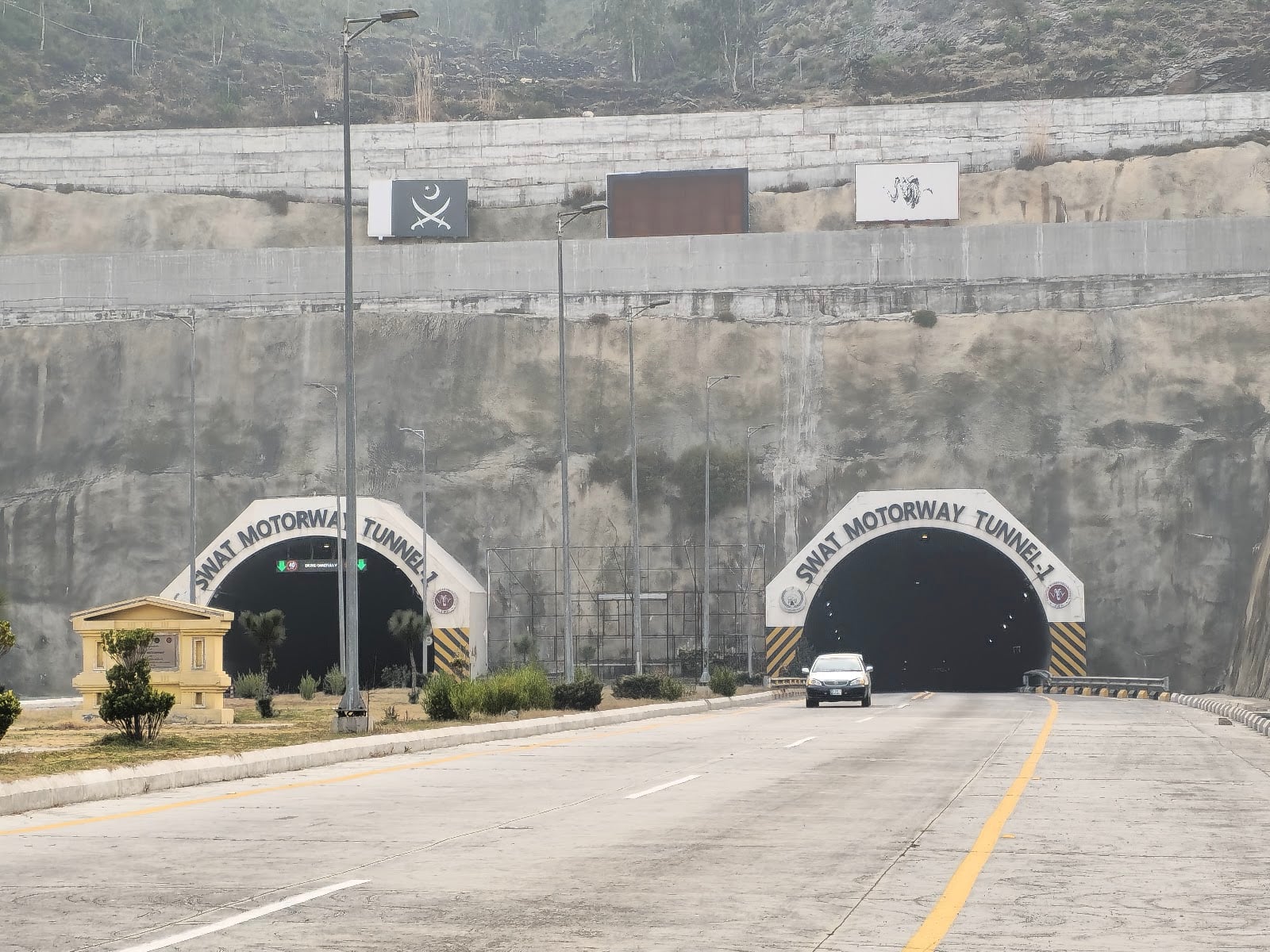
The biggest issue is landslides on the Mingora-Kalam road, especially between Bahrain and Kalam where the road hugs the river and slopes. After heavy rain, rocks and mud can come down suddenly. Always check with hotels for the latest road update. Avoid night driving in monsoon. Keep an extra day in your itinerary in case the road slows.
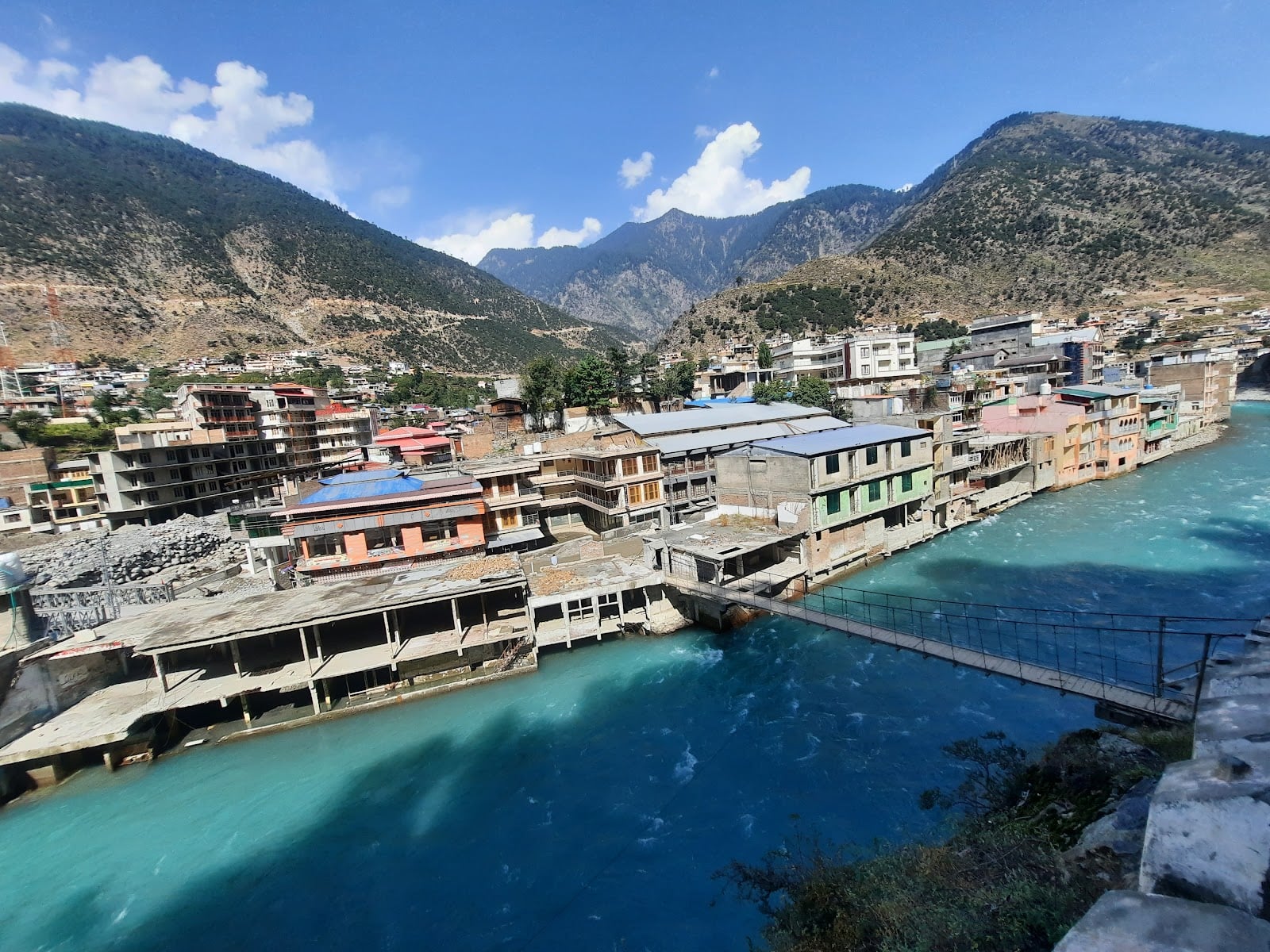
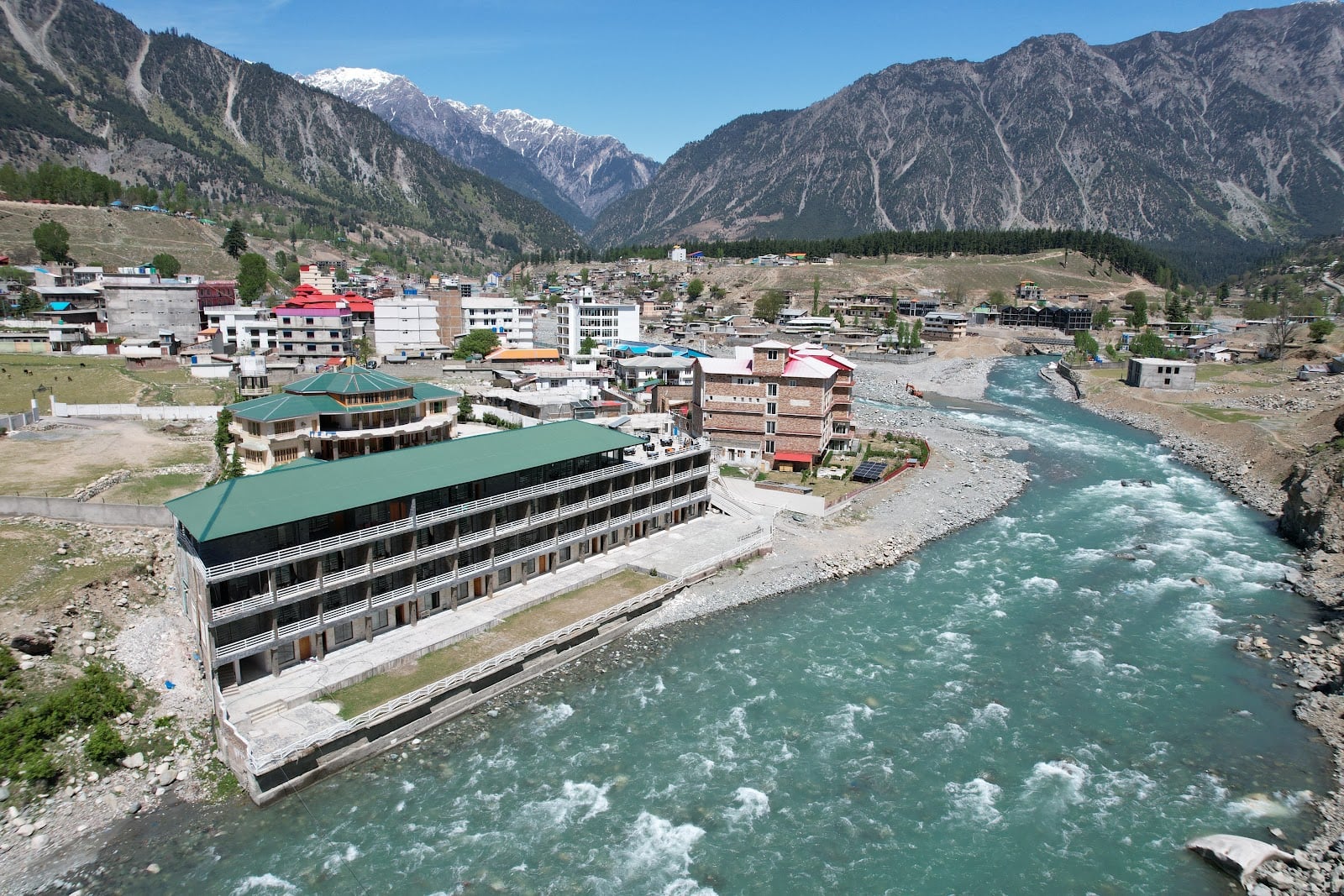
Mingora is the safest base because it has the largest hotels, hospitals and backup options if upper roads are affected. Bahrain is a good middle-ground base with riverside hotels and lower risk than Kalam. Kalam remains fine if you are comfortable with road uncertainty and you choose a strong hotel with backup power.
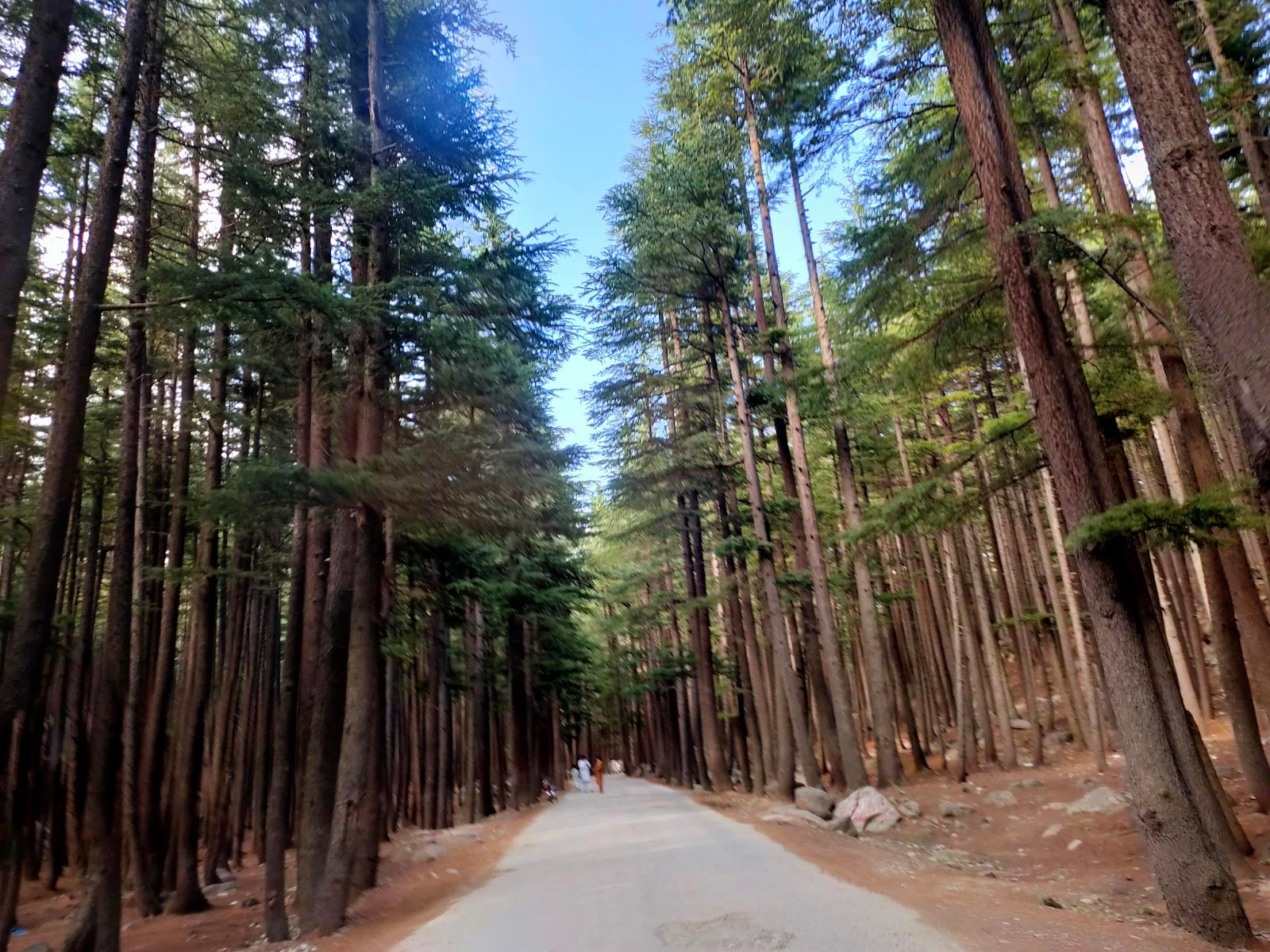
Misty river scenes, rain-washed forests, clouds rolling over the ridges, and waterfalls with heavier flow. The Swat River turns dramatic after rain. Use rain protection on your camera, a polariser, and shoot from sheltered viewpoints rather than exposed ridges. Monsoon can produce spectacular landscapes if you are prepared.
Rain jacket, waterproof shoes or boots, quick-dry clothes, umbrella, dry bags for electronics, power bank, wet wipes, extra socks, and plastic bags for wet clothing. If you are traveling with kids, bring entertainment for delay days. Avoid fabric that takes forever to dry. Monsoon humidity is real.
Wet weather can encourage bacteria growth, so choose hot, freshly cooked food. Avoid raw salads and street ice. Keep drinking bottled water. Carry ORS and basic medicines for diarrhea or dehydration. Even though it is raining, dehydration can still happen if you are moving and sweating in humid weather.
Shorten driving days, stay flexible and use Mingora as your home base. Do not overpack the itinerary. Keep one extra night unplanned. Treat monsoon as a mood, not an emergency. The weather can be beautiful and very photogenic if you respect the road conditions.
If there is a heavy rainfall warning, or if the hotel tells you the road has multiple slide points, postpone the upper valley drive. Safety beats stubbornness. Monsoon travel is best when flexible and patient, not when fixed to a rigid schedule.
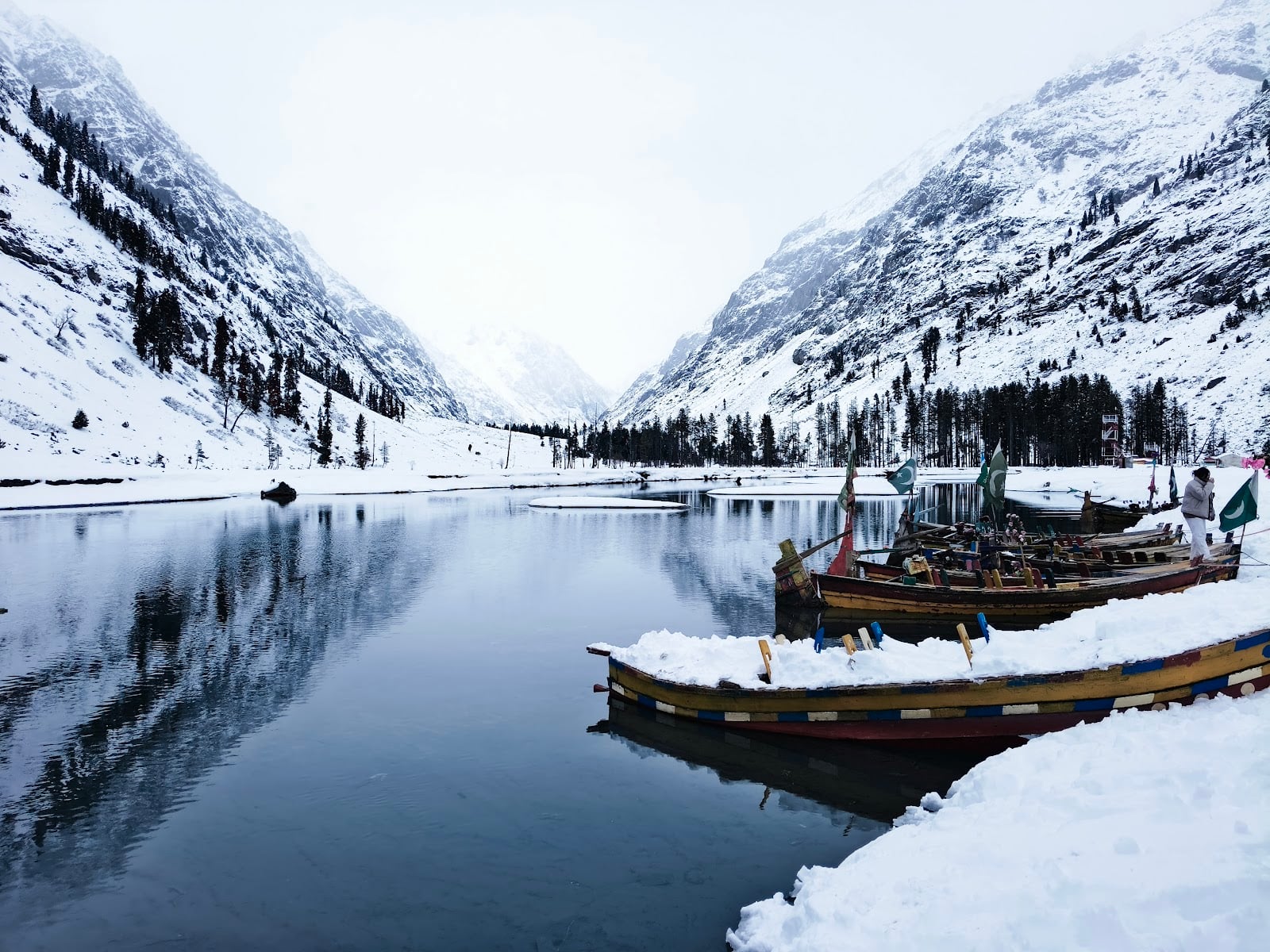
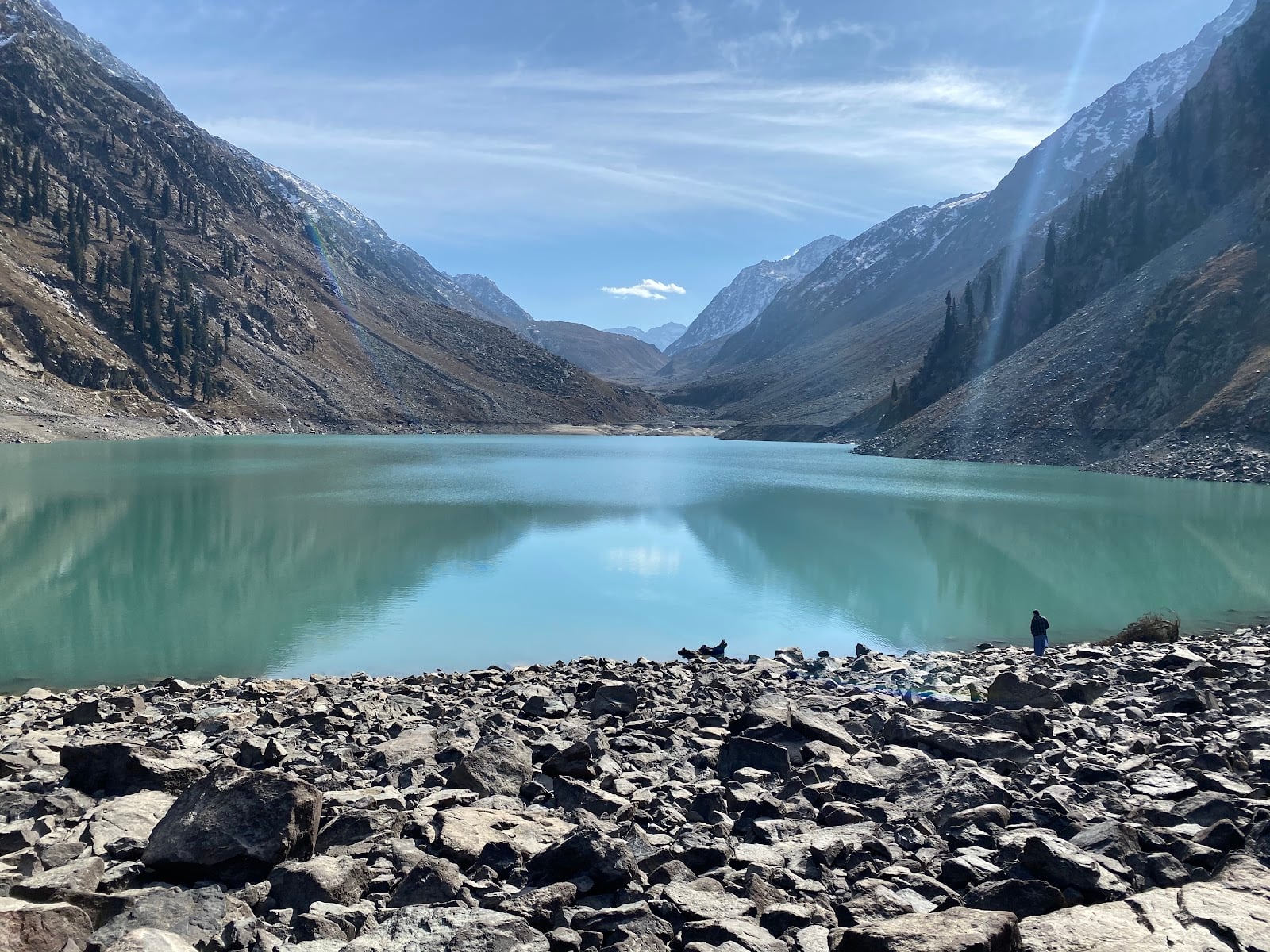
Mingora and Marghazar are usually easiest in rain. Miandam is often beautiful and cooler but still subject to showers. Kalam can be magical but only if the road is clear. Mahodand and Kundol are not suitable in active monsoon or after heavy rain because the jeep tracks become unsafe.
Monsoon Swat is beautiful if you plan for it. Check weather, stay in quality hotels, travel in daylight and keep your itinerary light. If you want the safest monsoon experience, use Mingora as your main base and make day trips only when road reports are clear.
Yes, but only with flexible planning and careful road checks. The scenery is lush and beautiful.
Mingora, then Bahrain. Kalam depends on road status.
They can happen during heavy rain, especially on the Bahrain-Kalam stretch.
Only if weather and road conditions are confirmed safe. Heavy rain can make the jeep track unsafe.
Rain jacket, waterproof shoes, dry bags, extra socks, umbrella and quick-dry clothes.
No. Avoid night driving on mountain roads during rain.
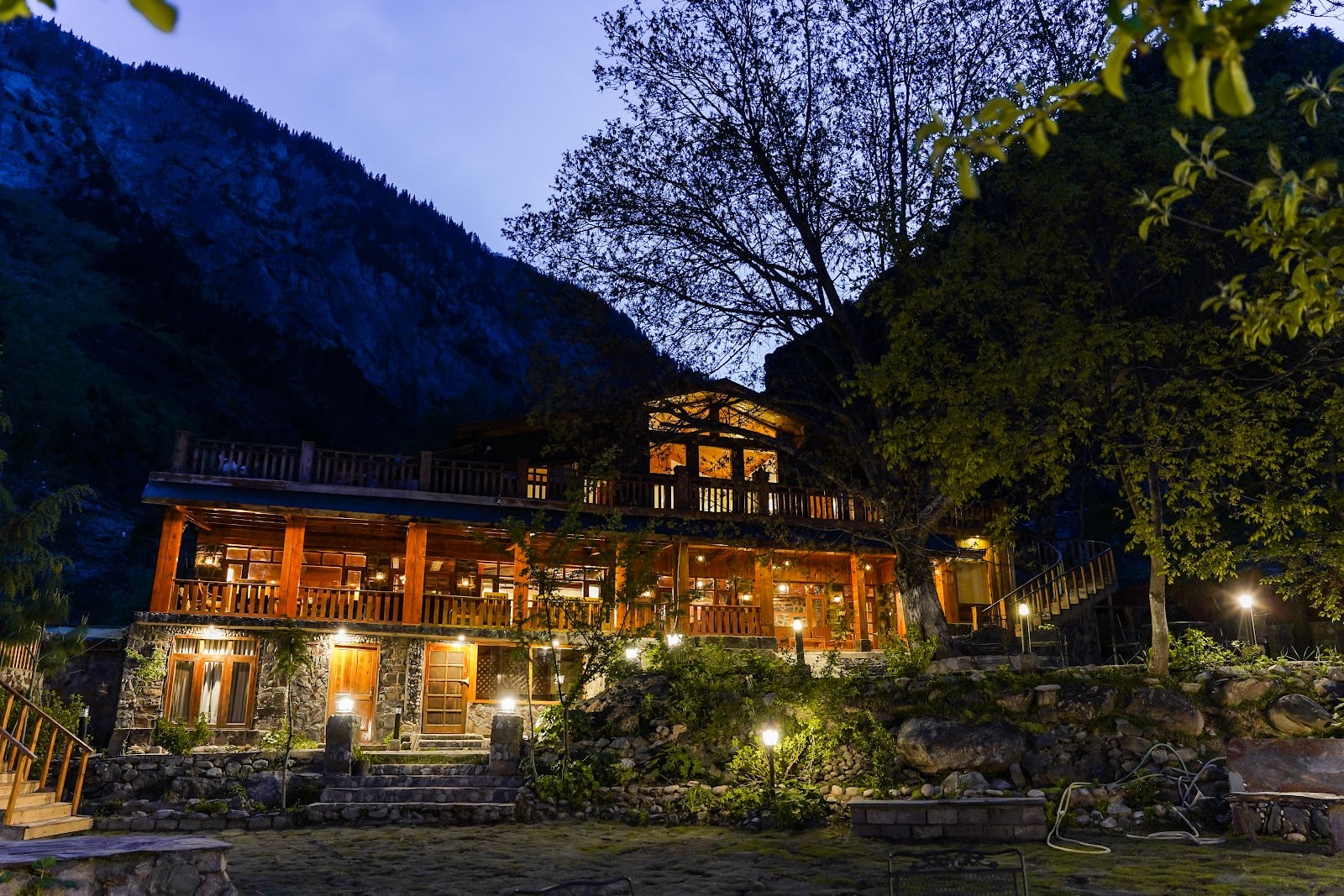
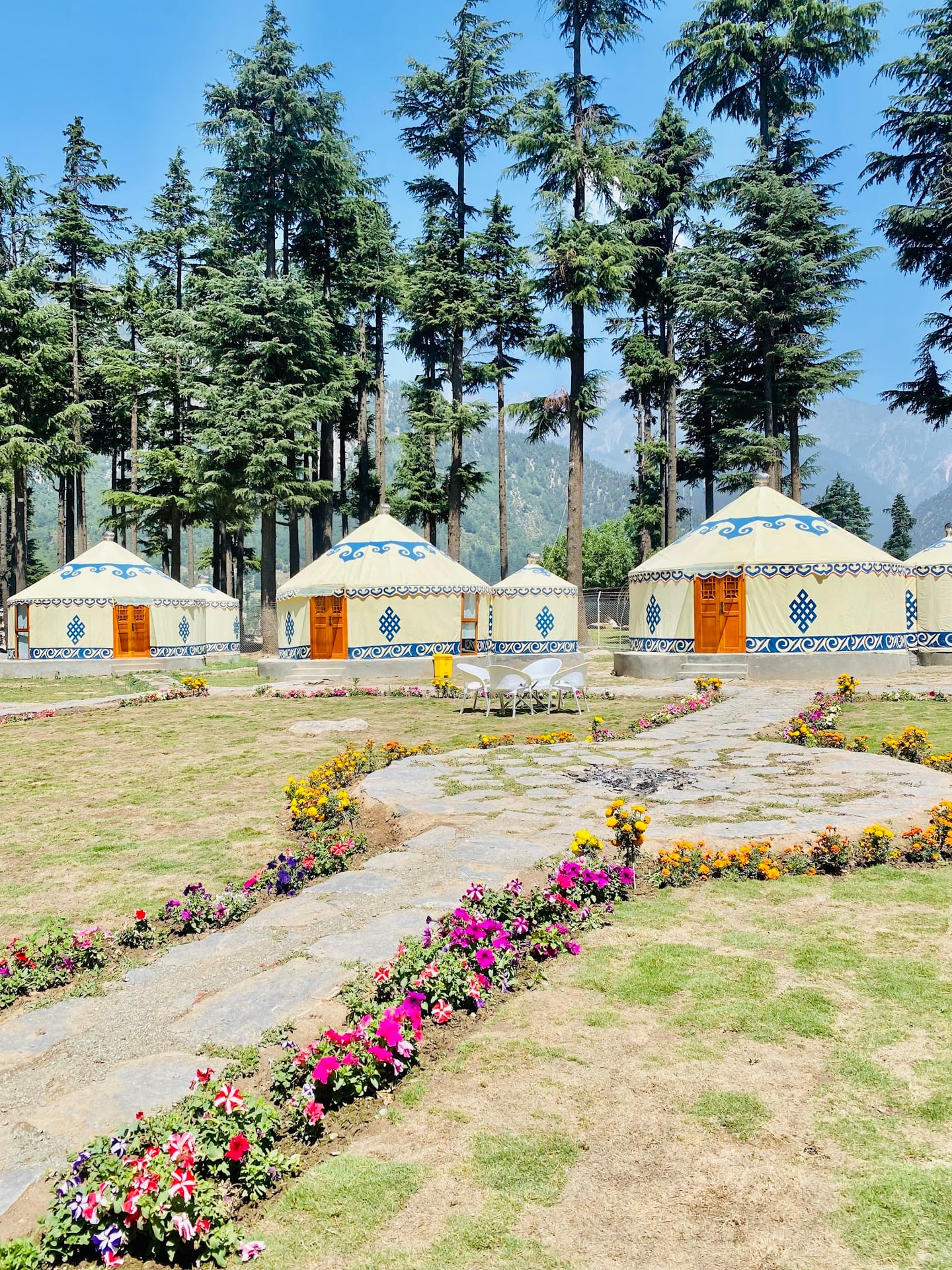
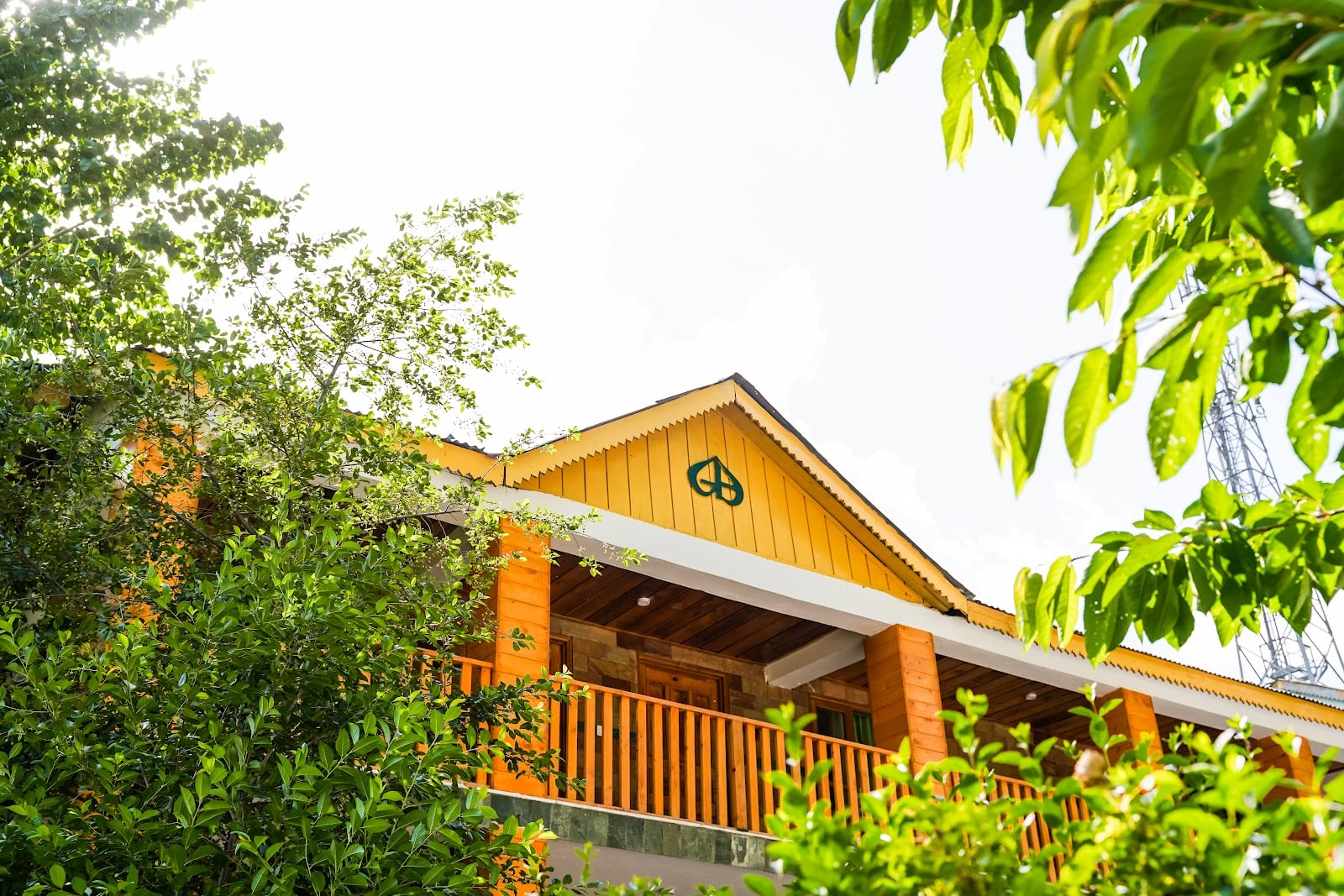
Real, verified places in Swat Valley related to this guide — tap any card for photos, hours, phone and directions.
Real Swat tips on hotels, routes, and where to eat — hop on WhatsApp or leave a note on our contact page.