
BarSwat
2,000 Years of Gandhara Heritage
Home to one of Pakistan's finest collections of Gandhara art. Features Buddhist sculptures, coins, tribal weapons, embroidery, and ethnographic exhibits spanning 2,000+ years.
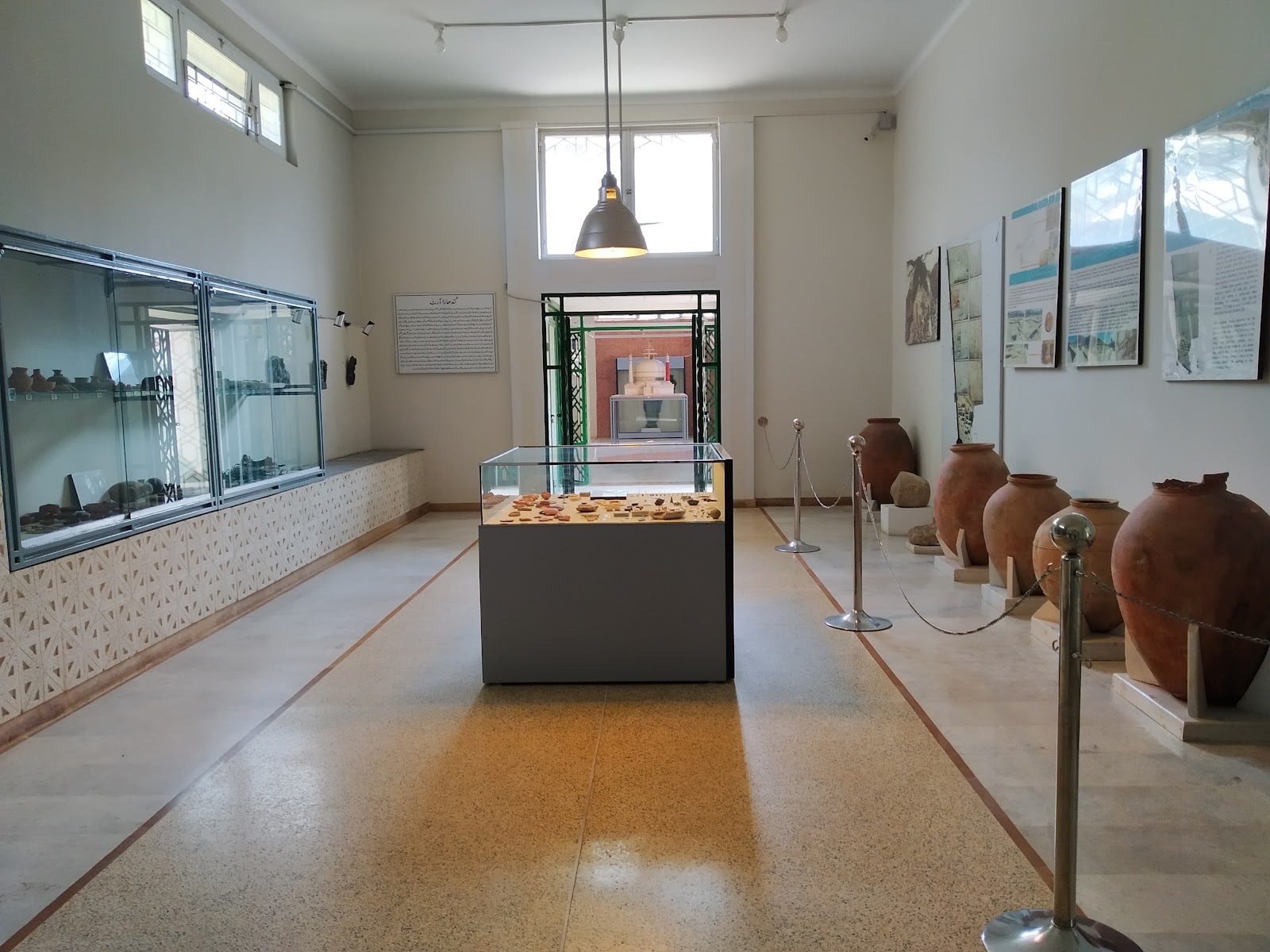
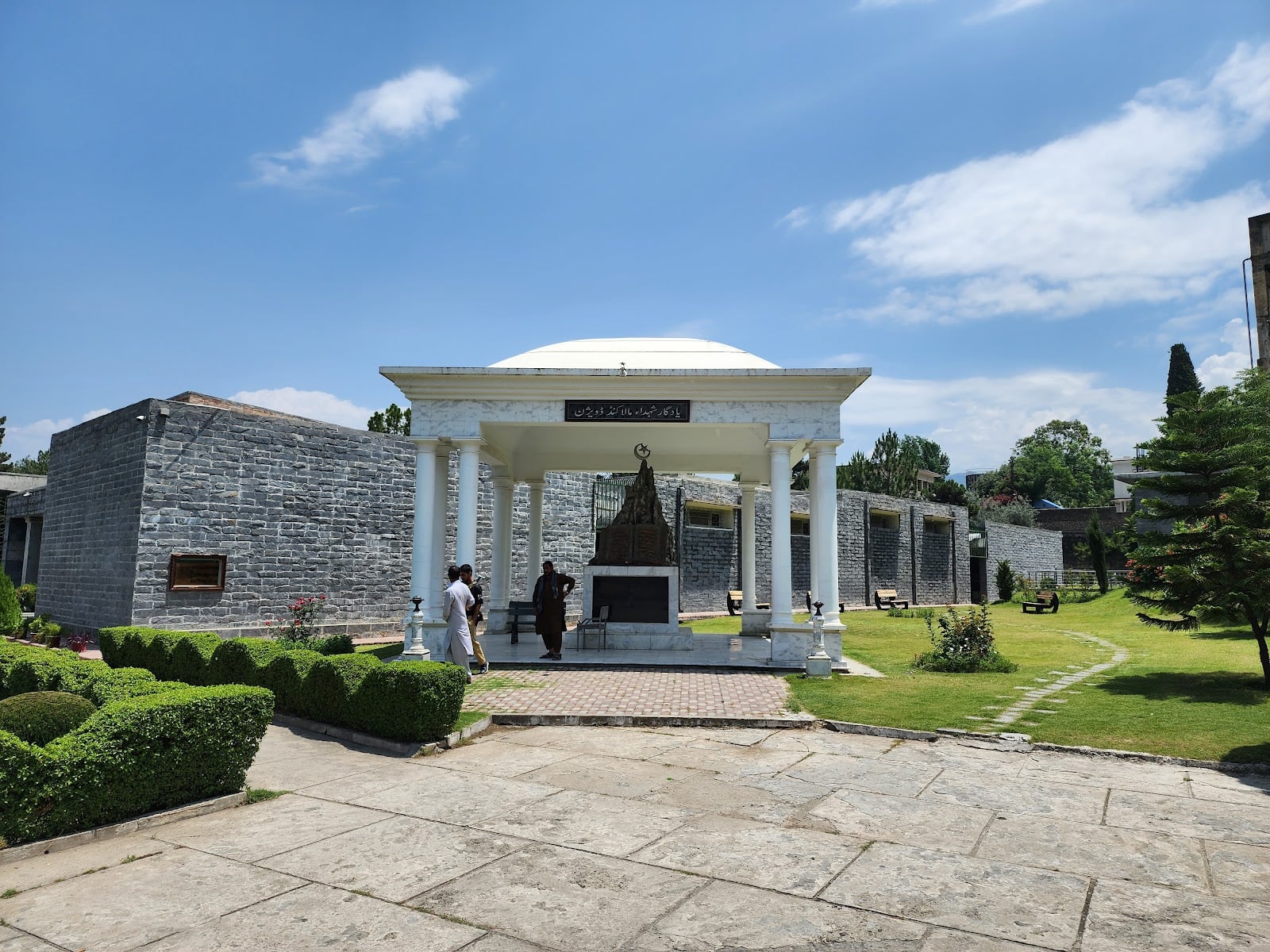
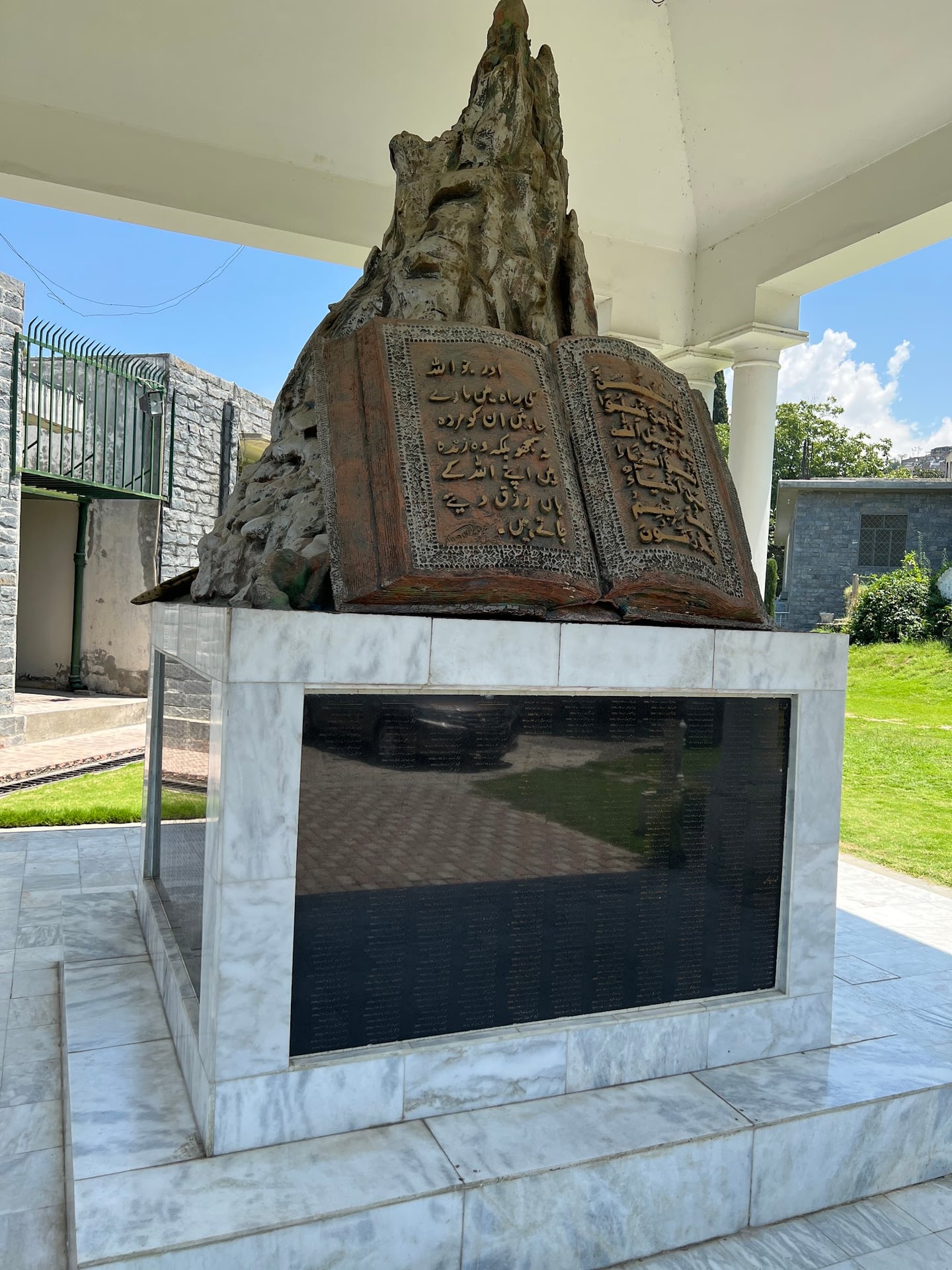
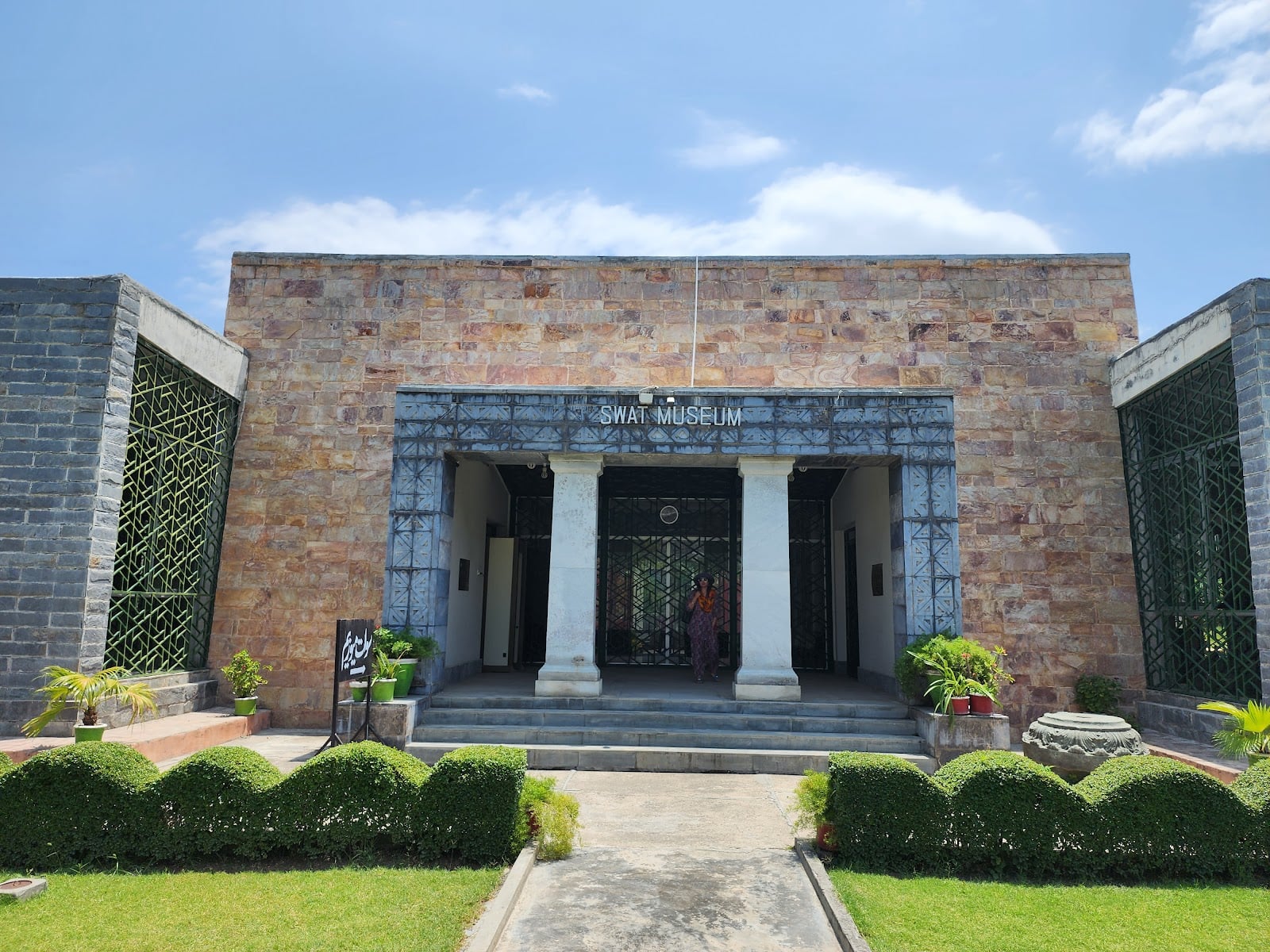
The Swat Museum was established in 1963 by the last Wali of Swat, Miangul Jahanzeb, to preserve the rich archaeological and cultural heritage of the valley. The museum was built in Saidu Sharif, the administrative capital of the former Swat State, and was one of the first modern museums in the tribal areas of Pakistan.
The museum houses an extraordinary collection of Gandhara art, dating from the 2nd century BC to the 5th century AD. Swat Valley, known in ancient Buddhist texts as Uddiyana ('Garden of the Arhats'), was a major center of Buddhist learning and art. The sculptures, coins, pottery, and inscriptions in the museum tell the story of a time when this valley was one of the most important Buddhist centers in the world.
In addition to the Gandhara collection, the museum features ethnographic galleries showcasing Swati culture, including traditional embroidery, woodwork, tribal weapons, jewelry, and musical instruments. The museum was renovated with Italian archaeological mission support and stands as one of the finest small museums in South Asia.
The museum is on Museum Road in Saidu Sharif, about 3 km from Mingora center. Take an auto-rickshaw or walk from the main road. Well-signposted.
Open in Google Maps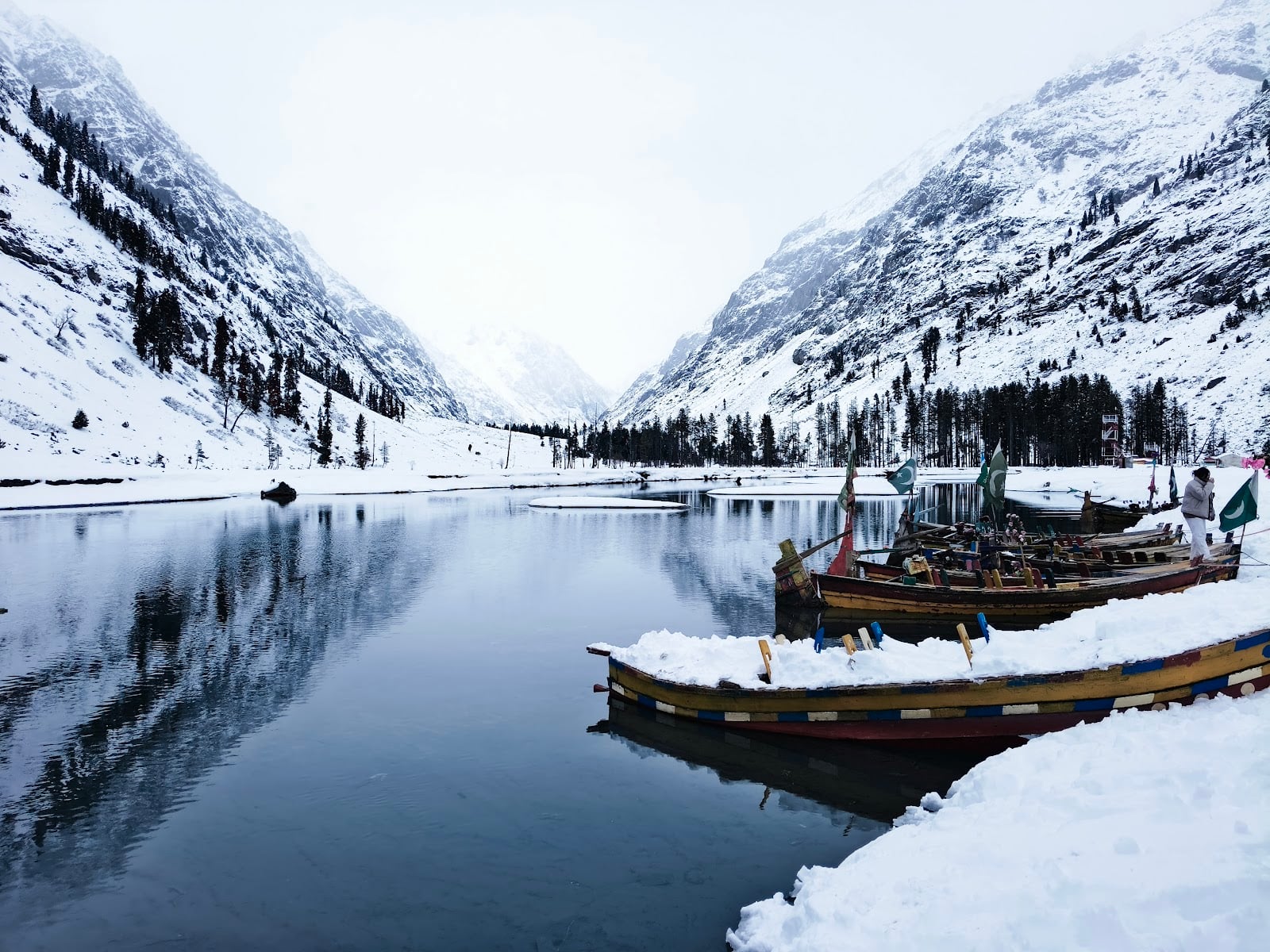
Crystal-clear lakes, lush alpine meadows, and majestic waterfalls. Home to Mahodand Lake, Ushu Forest, and Kalam Waterfall. One of Pakistan's most popular hill stations.
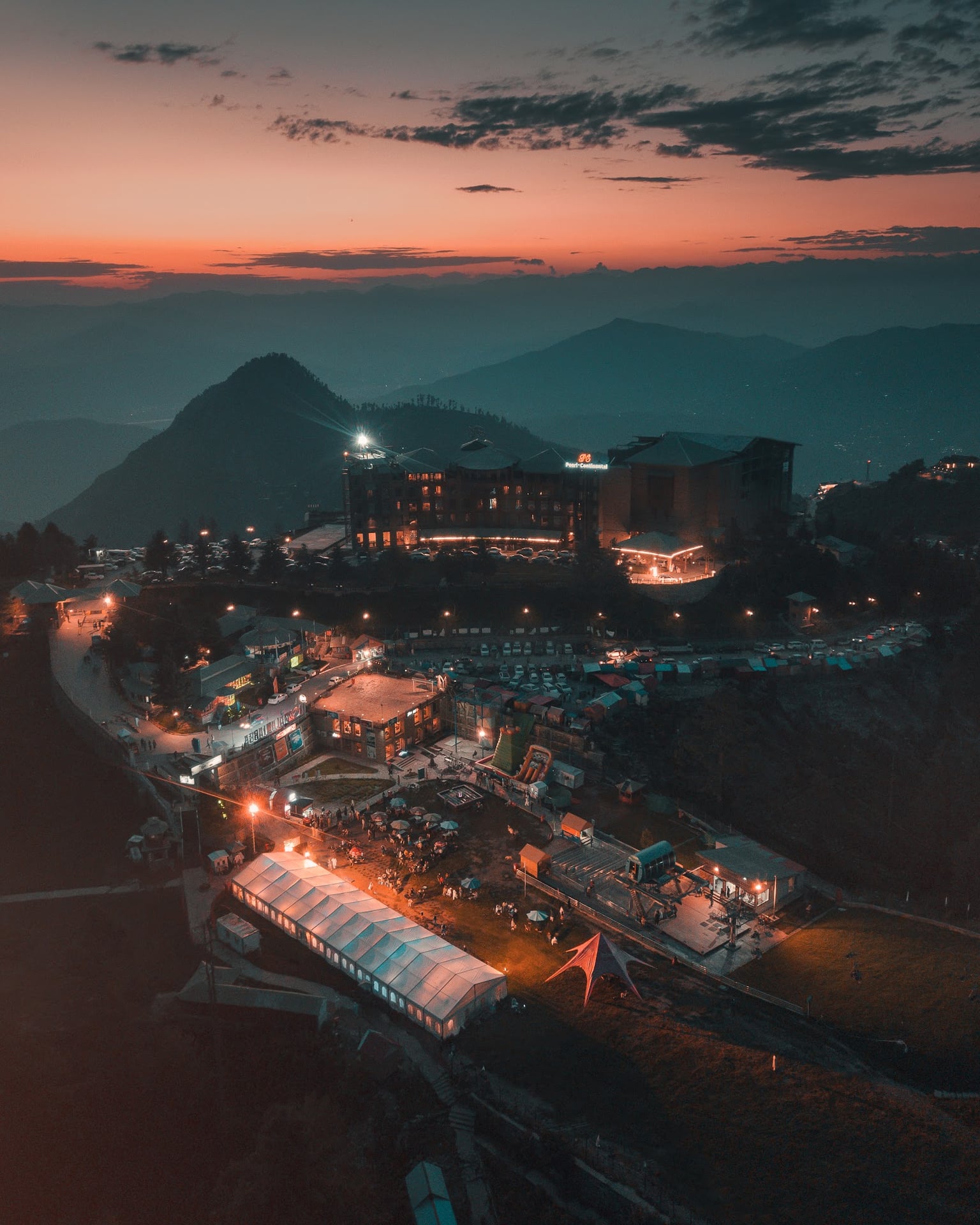
Pakistan's premier ski resort and adventure destination. Features cable cars, zip lines, chairlifts, and skiing slopes. Summer brings hiking and paragliding opportunities.
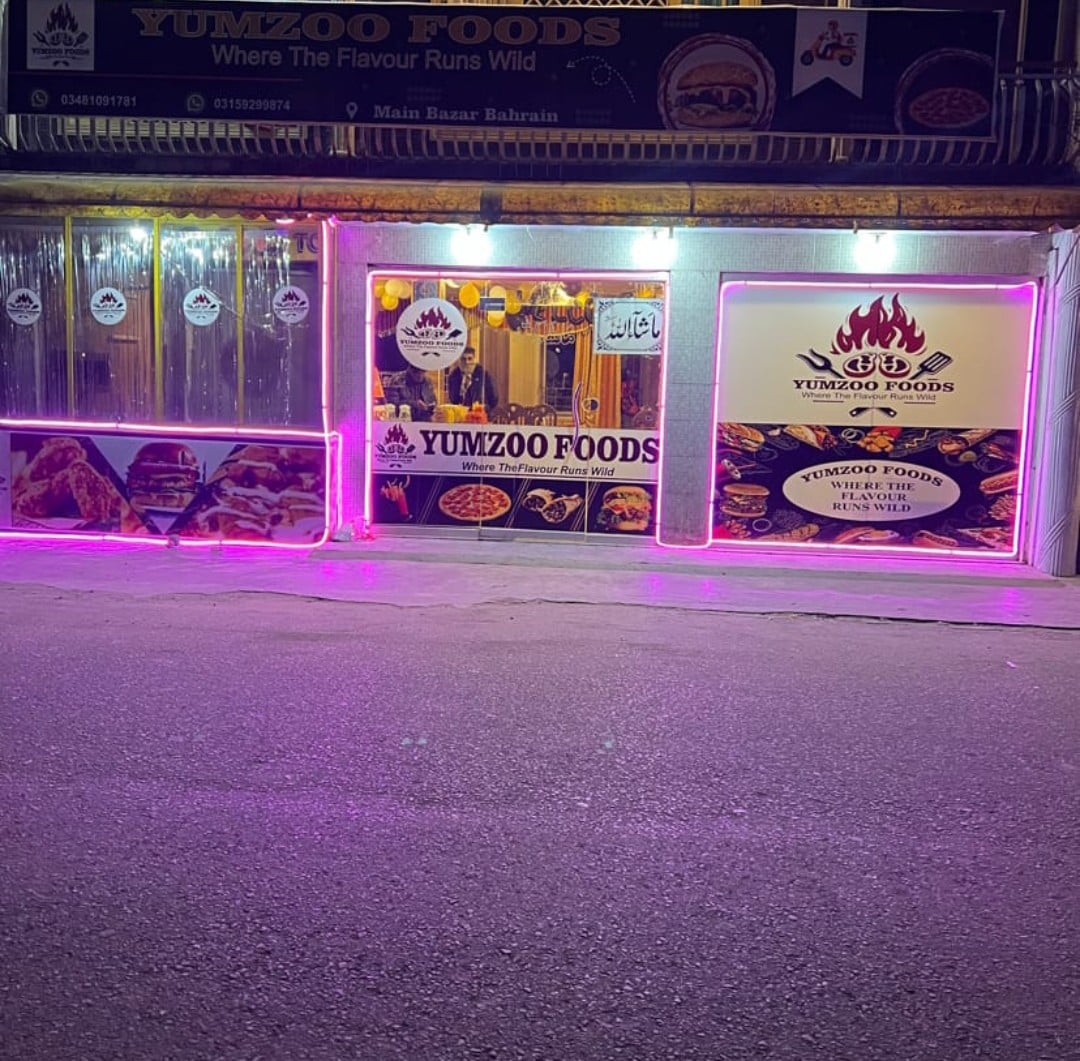
A scenic town at the confluence of Swat and Daral rivers. Famous for emerald green river pools, trout fishing, and stunning valley views. A popular stopover on the way to Kalam.