
BarSwat
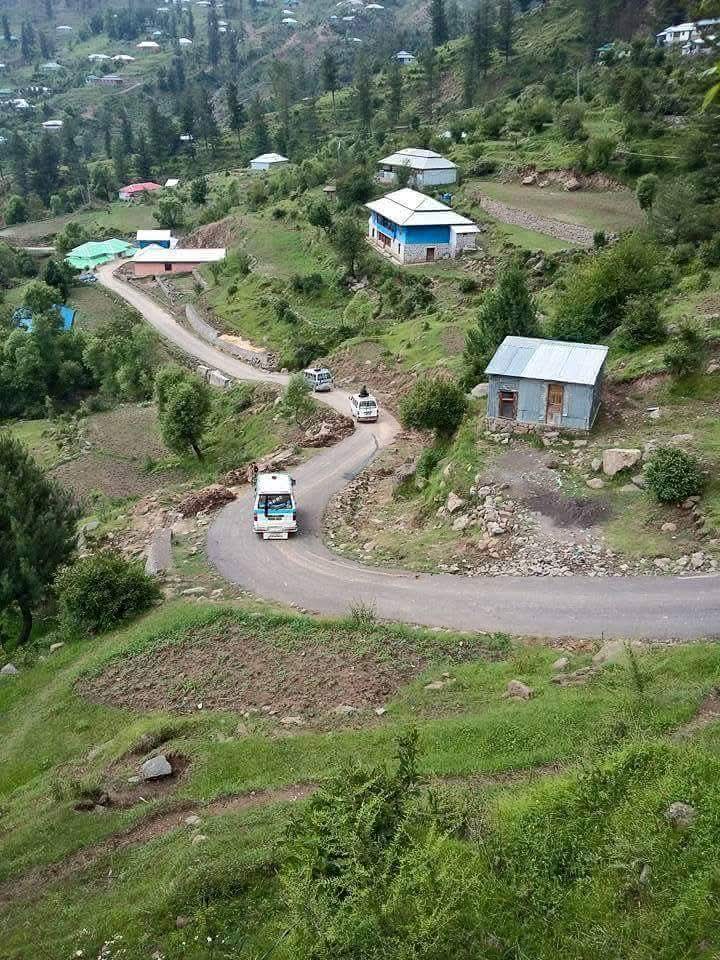
Swat's Hidden Green Paradise
A green, peaceful town surrounded by mountains and rice paddies. Known for its fruit orchards, traditional Pashtun villages, and the beautiful Matta Valley. Less touristy, more authentic.
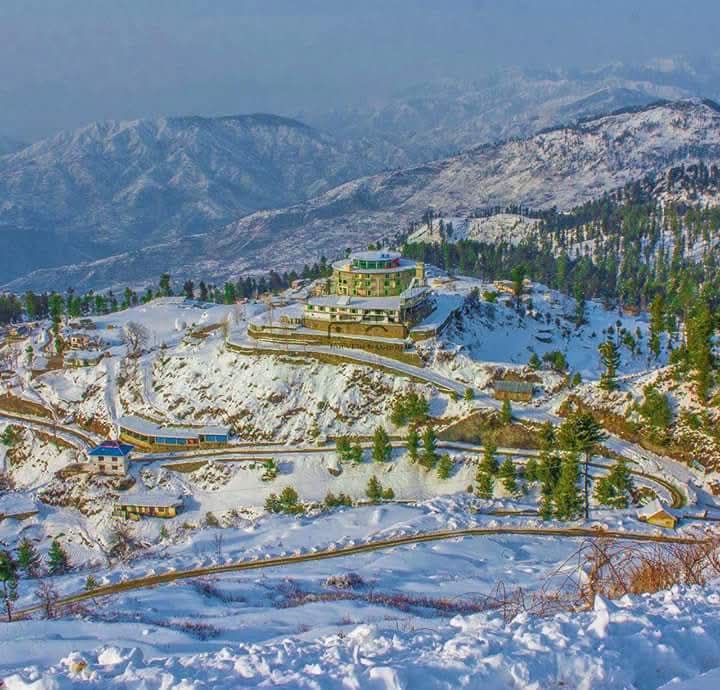
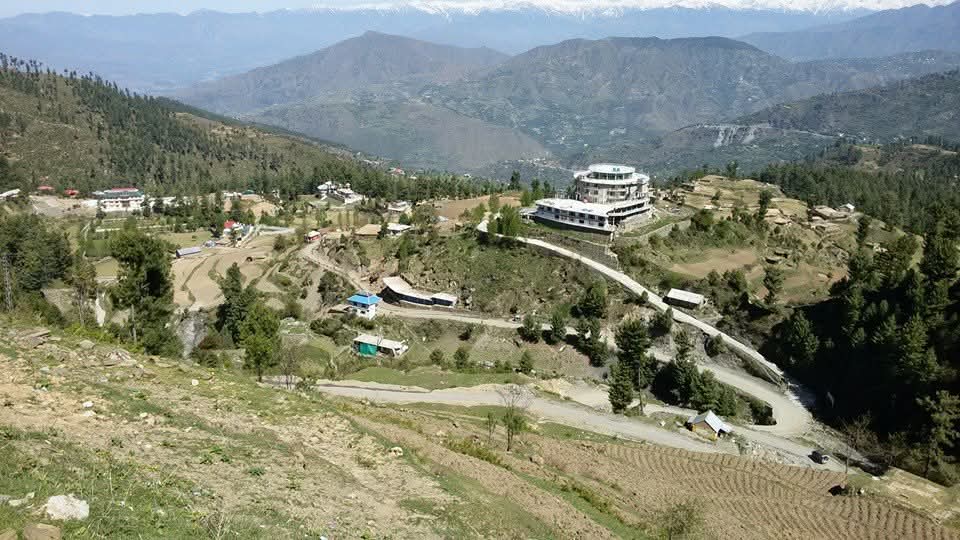
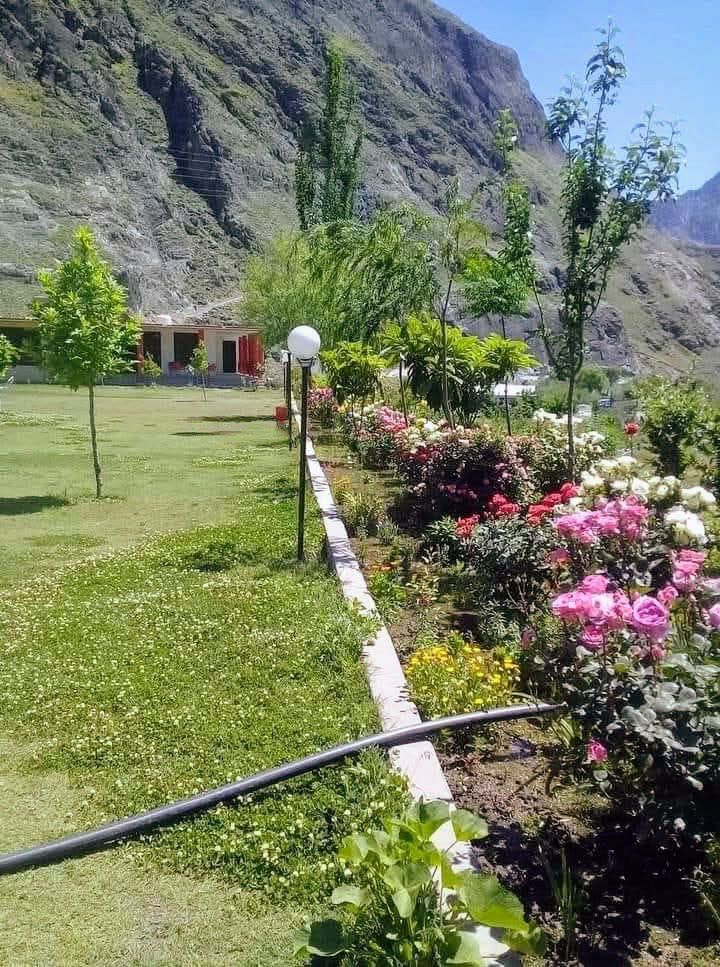
Matta is one of the most historically significant areas in Swat. The region was part of the ancient Gandhara civilization, and scattered Buddhist ruins can still be found in the surrounding hills. For many centuries, it was a self-sustaining agricultural community, known for producing some of the finest rice and fruit in the valley.
During the rule of the Wali of Swat, Matta was known as a breadbasket of the valley. The terraced rice paddies and fruit orchards (apples, peaches, plums, and persimmons) made it an essential agricultural hub. The Wali maintained a presence here due to the area's strategic and economic importance.
Unlike the more commercialized tourist towns, Matta has retained its authentic Pashtun character. The traditional hujra (guest house) culture is still alive, and visitors are often treated with the legendary hospitality of the Pashtuns. For travelers seeking an unfiltered experience of Swat's rural life, Matta is unmatched.
From Mingora, take the Matta road heading northwest. The 30 km journey takes about 45 minutes. Public wagons run regularly from Mingora. The road passes through scenic farming villages.
Open in Google Maps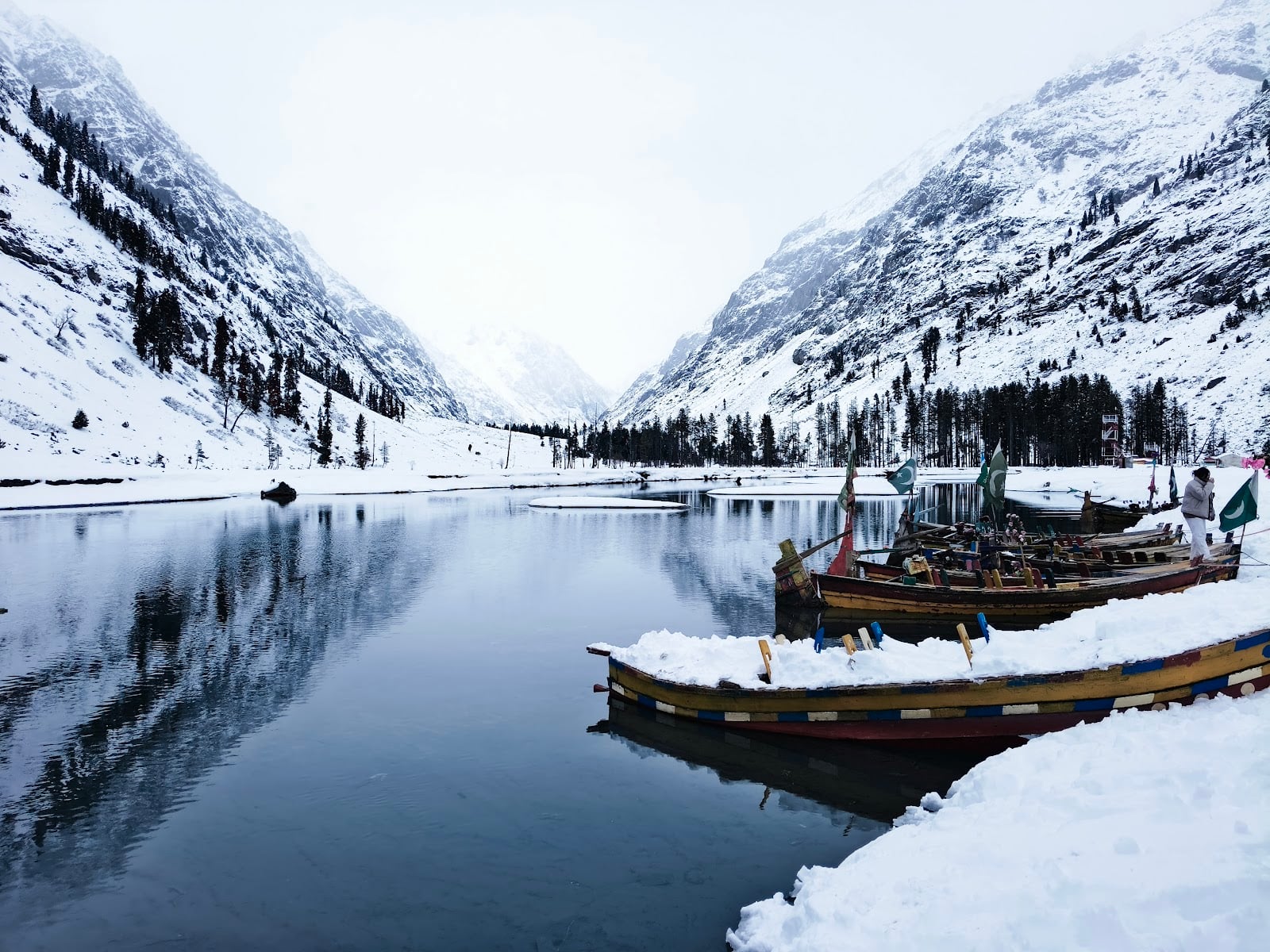
Crystal-clear lakes, lush alpine meadows, and majestic waterfalls. Home to Mahodand Lake, Ushu Forest, and Kalam Waterfall. One of Pakistan's most popular hill stations.
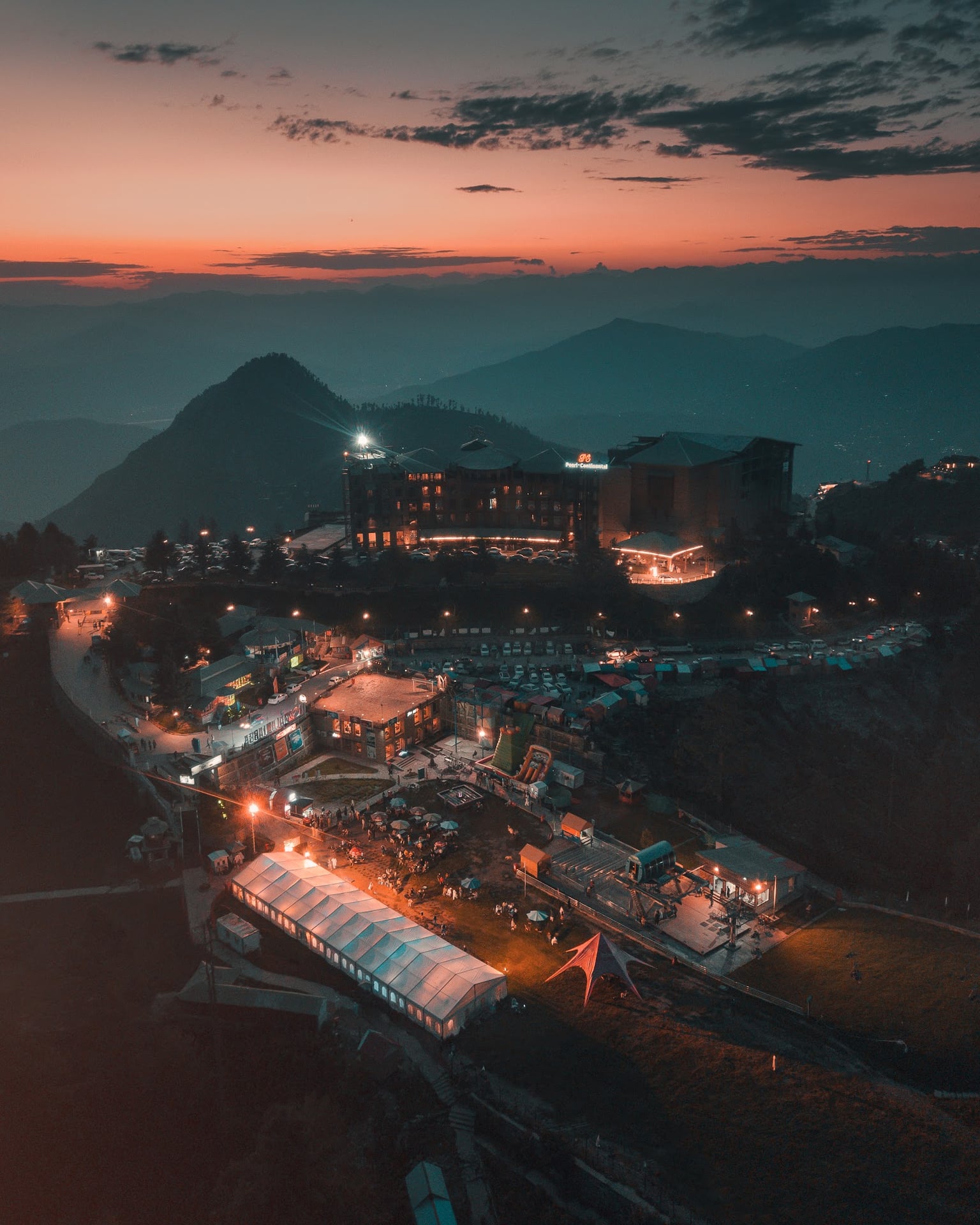
Pakistan's premier ski resort and adventure destination. Features cable cars, zip lines, chairlifts, and skiing slopes. Summer brings hiking and paragliding opportunities.
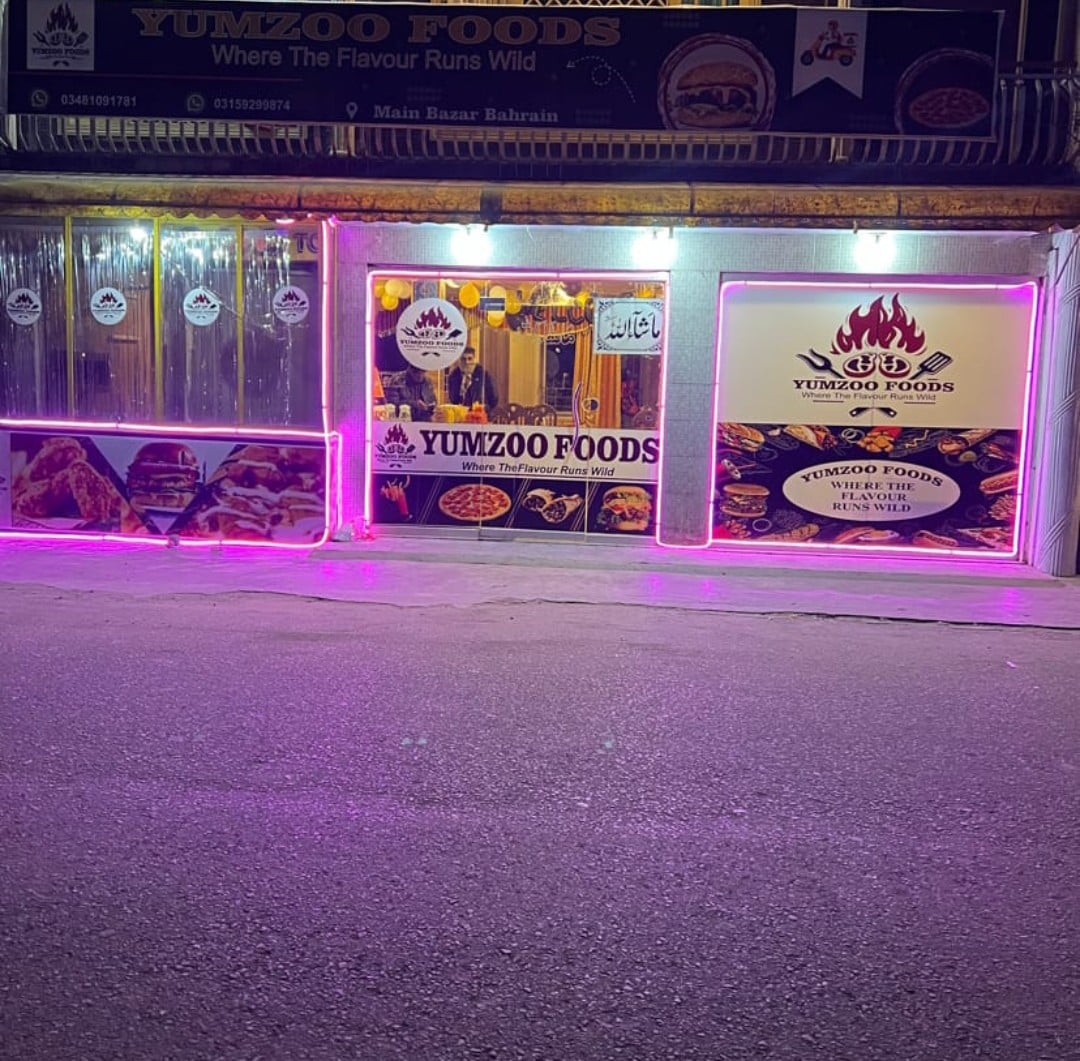
A scenic town at the confluence of Swat and Daral rivers. Famous for emerald green river pools, trout fishing, and stunning valley views. A popular stopover on the way to Kalam.